





Driven by the heart, blood carries substances essential for life to every cell in the body.
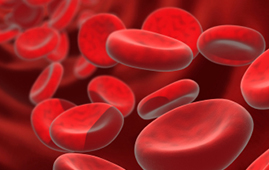
Among the main components of blood are erythrocytes, or red blood cells, which are nothing more than small “sacs” filled with hemoglobin, a complex protein that binds to oxygen from the air we breathe and then releases it to all the cells in the body. When the number of red blood cells or the amount of hemoglobin they contain decreases, the body’s ability to transport oxygen is impaired, leading to anemia, whose most common symptoms include chronic fatigue, weakness, shortness of breath, and headaches; the most obvious physical sign is paleness of the skin and mucous membranes, and, in acute cases, syncope or even cardiac arrest.
The term “anemia,” which etymologically means “without blood,” encompasses a myriad of conditions caused by various factors, of which anemia is often merely the most obvious manifestation. These causes fall into three common categories:
1. acute and non-acute blood loss (hemorrhages);
2. decreased production of red blood cells;
3. increased destruction of red blood cells.
The diagnosis of acute hemorrhages caused by the rupture of a major artery (trauma, clandestine abortion, surgical accident, gastric artery erosion due to aspirin use, etc.) is predominantly clinical, with laboratory testing playing a secondary role in the initial stages. In other situations, however—which can range from chronic blood loss to nutritional deficiencies, genetic causes, or leukemia—laboratory diagnosis is essential to clarify the situation.
This is because the clinical examination is, in most cases, not very informative, even regarding the presence or absence of anemia. This is, in fact, one of the situations in which the diagnostic pathway must be determined by the sequence of laboratory data, making the report from the Clinical Pathologist essential.
There are numerous tests that the pathologist uses to diagnose anemia. The first is the complete blood count (CBC). It consists of the concentration of hemoglobin in the blood, the red blood cell count, hematocrit (the volume occupied by red blood cells), the relationships between these parameters, the white blood cell (leukocyte) count, and the microscopic characteristics of red and white blood cells.
If hemoglobin is normal, there is no anemia! If it is abnormal, evaluating the remaining parameters of the complete blood count helps guide the selection of other tests that will allow for the diagnosis of the specific type of anemia in question. We will address this in future articles.
If you have any questions, please contact us.
We'll be happy to help.
CLINICAL PATHOLOGY LABORATORY

Related articles:
Anemia (II) - Anemia and Iron
The production of red blood cells (RBCs) in the bone marrow depends on the presence in the body of essential substances such as iron, vitamin B12, and folic acid.
Read more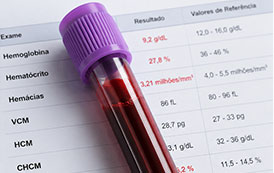
Anemia Treatment: Options and How It Works
Treatment for anemia depends on the cause and may include dietary changes, supplementation, or specific medical care. The main goal is to correct the deficiency causing the anemia and restore adequat…
Read more
Anemias (III) - Vitamin B12 and Anemia
In addition to iron, a deficiency in vitamin B12 (B12) is one of the causes of anemia.
Read more
Anemias (IV) - Hemolytic Anemias
I'm sure you've heard of someone who can't eat fava beans.
Read more
Anemias (V) - Hemolytic Anemias (II)
We have already seen that hemolytic anemias result from the destruction of red blood cells (RBCs) due to external causes or internal abnormalities.
Read more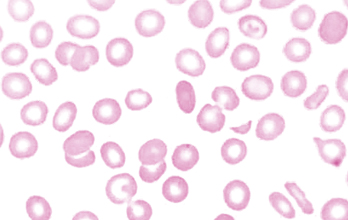
Iron Deficiency (Anemia)
Iron deficiency is a public health problem; it is the leading cause of anemia worldwide and the most prevalent nutritional deficiency.
Read more
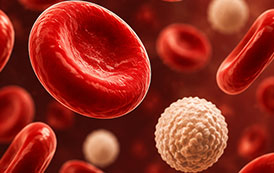
Symptoms of Anemia: How to Recognize the Signs
Symptoms of anemia may include fatigue, weakness, paleness, and shortness of breath, which occur when the body does not receive enough oxygen through the blood. These symptoms may develop gradually a…
Read more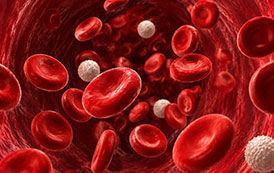
Types of Anemia: Learn About the Differences and Causes
The types of anemia vary depending on the cause and how they affect the production or function of red blood cells. Although anemia is often associated with iron deficiency, there are different types …
Read more