





The production of red blood cells (RBCs) in the bone marrow depends on the presence in the body of essential substances such as iron, vitamin B12, and folic acid.
If any of these nutrients is present in insufficient quantities, RBC production is inadequate, their shape changes, and they lose their ability to transport oxygen, leading to anemia. Iron deficiency is the most common cause of this type of anemia, which is therefore called iron-deficiency anemia (IDA). Red blood cells have an average lifespan of 120 days. When these cells die, the iron present in their hemoglobin is recycled by the body.
In growing children, this recycling is insufficient, leading to IF if their regular diet is low in iron. In adults, in cases of chronic bleeding, recycling and iron from the normal diet do not compensate for the lost nutrient, and IDA sets in, with symptoms worsening over time and as the amount of blood loss increases. In adults, gastrointestinal lesions (ulcers, hemorrhoids, cancer) are the underlying cause, although in women, pregnancy is the most common cause because the baby’s development requires a great deal of iron.
Excessive menstrual bleeding is also a cause of this disease. Although in more severe cases there may be some symptoms typical of iron deficiency anemia, such as inflammation of the tongue (glossitis), cracks at the corners of the mouth (cheilosis), and difficulty swallowing, the predominant symptoms are those common to any form of anemia (chronic fatigue, weakness, shortness of breath, headaches, and pallor of the skin and mucous membranes); a clinical examination alone is not sufficient to diagnose the underlying cause. Consequently, only laboratory tests can lead to a diagnosis.
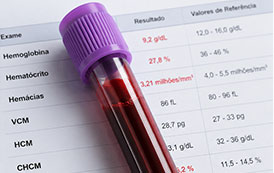
A complete blood count (CBC), analysis of its components, and microscopic examination of the blood allow for the classification of anemia as microcytic and hypochromic, in which red blood cells (RBCs) are smaller than usual (hence termed microcytes) and have a low hemoglobin concentration that makes them appear pale under the microscope (hypochromic: lacking color).
This laboratory profile suggests iron deficiency anemia (IDA) but must be confirmed.
This is determined by measuring serum iron levels, as well as the protein that transports it (transferrin). If iron levels are low or if iron occupies less than 10% of transferrin, that is the diagnosis.
Finally, if ferritin levels (the protein that stores iron in tissues) are below normal, iron deficiency anemia is confirmed. Oral ferrous sulfate resolves the problem, provided that the underlying cause of the iron deficiency has been addressed.
If you have any questions, please contact us.
We'll be happy to help.
CLINICAL PATHOLOGY LABORATORY

Related articles:
Anemia Treatment: Options and How It Works
Treatment for anemia depends on the cause and may include dietary changes, supplementation, or specific medical care. The main goal is to correct the deficiency causing the anemia and restore adequat…
Read more
Anemias (I)
Driven by the heart, blood carries substances essential to life to every cell in the body.
Read more
Anemias (III) - Vitamin B12 and Anemia
In addition to iron, a deficiency in vitamin B12 (B12) is one of the causes of anemia.
Read more
Anemias (IV) - Hemolytic Anemias
I'm sure you've heard of someone who can't eat fava beans.
Read more
Anemias (V) - Hemolytic Anemias (II)
We have already seen that hemolytic anemias result from the destruction of red blood cells (RBCs) due to external causes or internal abnormalities.
Read more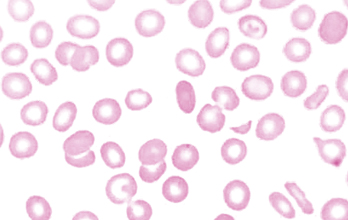
Iron Deficiency (Anemia)
Iron deficiency is a public health problem; it is the leading cause of anemia worldwide and the most prevalent nutritional deficiency.
Read more
Symptoms of Anemia: How to Recognize the Signs
Symptoms of anemia may include fatigue, weakness, paleness, and shortness of breath, which occur when the body does not receive enough oxygen through the blood. These symptoms may develop gradually a…
Read more
Types of Anemia: Learn About the Differences and Causes
The types of anemia vary depending on the cause and how they affect the production or function of red blood cells. Although anemia is often associated with iron deficiency, there are different types …
Read more