





Autoimmune Gastritis
Anti-parietal cell antibodies (APCA)
Autoimmune gastritis is characterized in laboratory tests by the presence of circulating autoantibodies directed against parietal cells (APCA).
APCA are present in 100% of patients with autoimmune gastritis and in approximately 90% of patients with pernicious anemia. These autoantibodies have high sensitivity but low specificity for the diagnosis of pernicious anemia. The target of this antibody is the H/K ATPase proton pump, which produces hydrochloric acid.
The presence of APCA may precede and foreshadow the onset of pernicious anemia—as well as that of autoimmune gastritis—by several years (20 or 30 years). They are useful in preclinical screening, but not all patients with APCA will develop pernicious anemia. They have a prevalence of 2–5% in the general population. They are found in about 30% of patients with other autoimmune conditions (autoimmune thyroiditis, iron-deficiency anemia, diabetes, and adrenal insufficiency).
Many patients with pernicious anemia have APCA. However, the fact that these antibodies are frequently found in unaffected family members, as well as in patients with other autoimmune diseases, suggests that these antibodies alone do not cause the disease.
The 10% of patients with pernicious anemia who are APCA-seronegative can be explained by a possible exhausted autoimmune response, potential false negatives, the absence of free circulating antibodies at the time of testing, or insufficient antibody production.

Summary:
- High diagnostic value in the presence of autoimmune gastritis
- On its own, it does not allow for the diagnosis of pernicious anemia
Anti-intrinsic factor antibody (anti-IF)
These antibodies are present in 55% of patients with pernicious anemia.
Anti-FI antibodies rarely appear in autoimmune gastritis that is not accompanied by pernicious anemia. For this reason, they are considered more specific than APCA for the diagnosis of pernicious anemia.
Their presence may precede the onset of clinical symptoms by several years.
The absence of intrinsic factor does not rule out the diagnosis. Further investigation is warranted.
While the prevalence of APCA decreases over the course of pernicious anemia, anti-FI antibodies may occur once pernicious anemia is already established.
Detection of these antibodies helps differentiate between pernicious anemia and other diseases related to vitamin B12 deficiency or malabsorption.
- One or both of these markers may rule out pernicious anemia.
- The presence of both markers is diagnostic of pernicious anemia
As the disease progresses, complete atrophy of the parietal cells occurs, leading to a consequent decrease in the production of APCA and anti-F antibodies.
The importance of an accurate diagnosis
- Morbidity resulting from anemia
- Irreversible neurological lesions
- Predisposition to gastric carcinoids, polyps, and adenocarcinomas
| APCA (IFF*) |
|---|
| 100% of all patients with autoimmune gastritis |
| ≈ 90% of all patients with pernicious anemia |
| 2–5% of the general population |
| 30% of patients with autoimmune thyroiditis, type 1 diabetes, iron-deficiency anemia, and renal insufficiency |
*The presence of APCA (IFF*) is highly sensitive and specific (99%) for the presence of autoimmune gastritis. It is highly sensitive but not very specific for the presence of pernicious anemia.
If you have any questions, please contact us.
We'll be happy to help.
CLINICAL PATHOLOGY LABORATORY

Related news:

Rastreios gratuitos querem ajudar os po… | 2018
É a principal causa de anemia e atinge cerca de um em cada três portugueses adultos, ainda que muit…
Read more
Anemia e a deficiência de ferro com ras… | 2018
Anemia Working Group Portugal promove rastreios gratuitos para identificar a Anemia e deficiência d…
Read moreRelated articles:
Anemia (II) - Anemia and Iron
The production of red blood cells (RBCs) in the bone marrow depends on the presence in the body of essential substances such as iron, vitamin B12, and folic acid.
Read more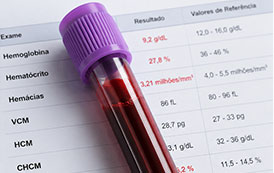
Anemia Treatment: Options and How It Works
Treatment for anemia depends on the cause and may include dietary changes, supplementation, or specific medical care. The main goal is to correct the deficiency causing the anemia and restore adequat…
Read more
Anemias (I)
Driven by the heart, blood carries substances essential to life to every cell in the body.
Read more
Anemias (III) - Vitamin B12 and Anemia
In addition to iron, a deficiency in vitamin B12 (B12) is one of the causes of anemia.
Read more
Anemias (IV) - Hemolytic Anemias
I'm sure you've heard of someone who can't eat fava beans.
Read more
Anemias (V) - Hemolytic Anemias (II)
We have already seen that hemolytic anemias result from the destruction of red blood cells (RBCs) due to external causes or internal abnormalities.
Read more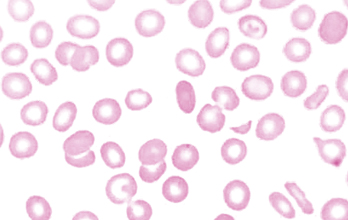
Iron Deficiency (Anemia)
Iron deficiency is a public health problem; it is the leading cause of anemia worldwide and the most prevalent nutritional deficiency.
Read more
Symptoms of Anemia: How to Recognize the Signs
Symptoms of anemia may include fatigue, weakness, paleness, and shortness of breath, which occur when the body does not receive enough oxygen through the blood. These symptoms may develop gradually a…
Read more
Types of Anemia: Learn About the Differences and Causes
The types of anemia vary depending on the cause and how they affect the production or function of red blood cells. Although anemia is often associated with iron deficiency, there are different types …
Read more