





In addition to iron, a deficiency in vitamin B12 (B12) is one of the causes of anemia.
A lack of this vitamin, which is essential for the maturation of red blood cells (RBCs), causes them to be released prematurely by the bone marrow. These cells are large and abnormal (megaloblasts). Among megaloblastic anemias, the most common is caused by a B12 deficiency due to malabsorption in the last part of the small intestine (ileum).
For B12 from food to be absorbed, intrinsic factor—a protein produced in the stomach—must be present. The most common cause of its deficiency is autoimmune atrophic gastritis.
This inflammatory gastric disease—rare before age 40 and more common in women—results from the body’s production of antibodies that inactivate intrinsic factor and attack the cells of the stomach wall (parietal cells), causing them to atrophy. As a result, vitamin B12 from food does not enter the bloodstream, and once the stores in the liver are depleted, anemia sets in; if left untreated, this anemia progresses slowly but severely. This is why it is called pernicious anemia (PA).
Although it presents with the usual symptoms of anemia (chronic fatigue, weakness, shortness of breath, headaches, pale skin and mucous membranes, etc.), as well as inflammation and a burning sensation on the tongue, a lack of B12 causes progressively more severe neurological symptoms ranging from tingling and loss of sensation in the hands, feet, and legs to depression and dementia. Other causes of pernicious anemia include surgical removal of the stomach (for cancer), inflammatory bowel diseases (Crohn’s disease), or dietary deficiency.
This type of anemia is common among vegetarians who do not consume foods rich in B12 (meat, fish, eggs, and milk) and among malnourished older adults. The blood test performed by the laboratory guides the clinical pathologist in making the diagnosis.
In addition to low hemoglobin levels and macrocytosis due to megaloblasts, abnormalities are also observed in white blood cells (leukocytes), which have nuclei with more than six lobes. Confirmation of pernicious anemia is made by measuring the level of vitamin B12 in the blood, which is well below normal values. The presence of an autoimmune disease of the stomach is diagnosed by the presence of anti-intrinsic factor and anti-parietal cell antibodies in the patient’s serum.
Finally, atrophic gastritis is confirmed by a biopsy of the gastric mucosa. The obvious treatment is intramuscular administration of vitamin B12, which may be given orally in cases of dietary deficiency.
If you have any questions, please contact us.
We'll be happy to help.
CLINICAL PATHOLOGY LABORATORY

Related articles:
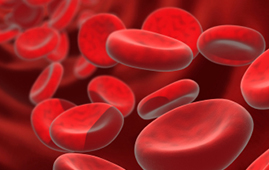
Anemia (II) - Anemia and Iron
The production of red blood cells (RBCs) in the bone marrow depends on the presence in the body of essential substances such as iron, vitamin B12, and folic acid.
Read more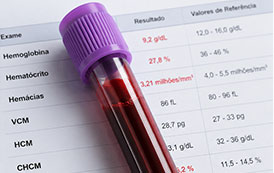
Anemia Treatment: Options and How It Works
Treatment for anemia depends on the cause and may include dietary changes, supplementation, or specific medical care. The main goal is to correct the deficiency causing the anemia and restore adequat…
Read more
Anemias (I)
Driven by the heart, blood carries substances essential to life to every cell in the body.
Read more
Anemias (IV) - Hemolytic Anemias
I'm sure you've heard of someone who can't eat fava beans.
Read more
Anemias (V) - Hemolytic Anemias (II)
We have already seen that hemolytic anemias result from the destruction of red blood cells (RBCs) due to external causes or internal abnormalities.
Read more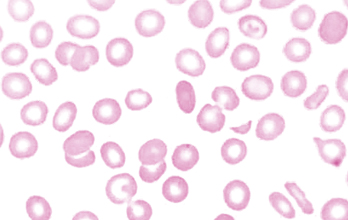
Iron Deficiency (Anemia)
Iron deficiency is a public health problem; it is the leading cause of anemia worldwide and the most prevalent nutritional deficiency.
Read more
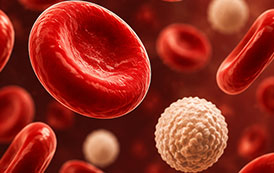
Symptoms of Anemia: How to Recognize the Signs
Symptoms of anemia may include fatigue, weakness, paleness, and shortness of breath, which occur when the body does not receive enough oxygen through the blood. These symptoms may develop gradually a…
Read more
Types of Anemia: Learn About the Differences and Causes
The types of anemia vary depending on the cause and how they affect the production or function of red blood cells. Although anemia is often associated with iron deficiency, there are different types …
Read more