





Symptoms of Anemia: How to Recognize the Signs
Symptoms of anemia may include fatigue, weakness, paleness, and shortness of breath, which occur when the body does not receive enough oxygen through the blood. These signs may appear gradually and are often mistaken for tiredness or stress.
Recognizing the symptoms of anemia is important for understanding when your body may be sending warning signs. The sooner these symptoms are identified, the faster a proper evaluation can be conducted.
What are the most common symptoms of anemia?
The symptoms of anemia vary depending on the cause and severity of the condition, but there are some common signs associated with low hemoglobin levels.
Among the most common are:
- Constant fatigue
- Feeling weak
- Pale skin
- Dizziness
- Headaches
- Shortness of breath
In some cases, symptoms may be mild and difficult to identify in the early stages.
Why does anemia cause fatigue?
Anemia reduces the blood’s ability to carry oxygen to the body’s tissues.
When this happens, the body has to work harder to perform basic functions, which can lead to fatigue and a lack of energy. This is one of the most common symptoms of anemia.
To better understand the causes of this condition, you can read the article “Types of Anemia: Learn About the Differences and Causes.”
Physical Symptoms Associated with Anemia
The symptoms of anemia can affect different parts of the body and manifest physically in various ways.
Some signs include:
- Brittle nails
- Cold hands and feet
- Rapid heartbeat
- Difficulty concentrating
- Feeling of muscle weakness
How can you tell if these symptoms might indicate anemia?
It’s not always easy to tell whether the signs are related to anemia or other conditions.
Symptoms of anemia should be evaluated when:
- They persist over time
- They affect your daily routine
- They appear for no apparent reason
- They are associated with weakness or shortness of breath
In these cases, it may be important to seek medical evaluation.
Who is at higher risk of developing anemia?
Certain groups are more likely to experience symptoms of anemia due to specific factors.
The main risk groups include:
- Women with heavy menstrual bleeding
- Pregnant women
- People with an unbalanced diet
- Older adults
- People with chronic diseases
Early recognition of symptoms can help prevent complications.
Symptoms of Anemia at Different Ages
The symptoms of anemia can vary depending on age and overall health.
In children, signs such as the following may appear:
- Irritability
- Difficulty concentrating
- Frequent tiredness
In adults and the elderly, symptoms may include severe fatigue and reduced tolerance for physical exertion.
What tests help identify anemia?
Anemia is diagnosed through laboratory tests that measure hemoglobin levels and other blood parameters.
The most common tests include:
- Complete blood count
- Iron and ferritin levels
- Vitamin B12
- Folic acid
These tests help determine the cause of anemia symptoms and guide further clinical investigation.
When should I seek medical evaluation?
It’s important to seek medical evaluation when symptoms of anemia:
- Are persistent
- Interfere with daily activities
- Occur along with shortness of breath or dizziness
- Worsen over time
A timely evaluation allows for identifying the cause and determining the appropriate course of treatment.
To better understand the options available after diagnosis, you can read the article “Anemia Treatment: Options and How It Works.”
FAQ
What are the early symptoms of anemia?
The first symptoms of anemia generally include fatigue, weakness, and paleness.
Can anemia cause dizziness?
Yes, dizziness can occur due to reduced oxygenation of the body.
Do the symptoms of anemia appear suddenly?
Not always. Often, the symptoms of anemia develop gradually.
Can shortness of breath be a sign of anemia?
Yes, shortness of breath can be associated with low hemoglobin levels.
How can I confirm if I have anemia?
A diagnosis is confirmed through a medical evaluation and laboratory tests.
Recognizing the signs can make a difference
The symptoms of anemia may seem nonspecific, but recognizing the signs and noticing when they persist is important for seeking medical advice.
If you have any concerns or persistent symptoms, undergoing tests and clinical evaluations can help with diagnosis and medical guidance. Find the collection point nearest you.
If you have any questions, please contact us.
We'll be happy to help.
CLINICAL PATHOLOGY LABORATORY

Related articles:
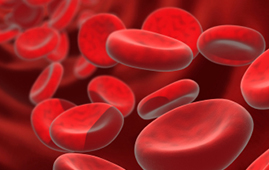
Anemia (II) - Anemia and Iron
The production of red blood cells (RBCs) in the bone marrow depends on the presence in the body of essential substances such as iron, vitamin B12, and folic acid.
Read more
Anemia During Pregnancy?
Anemia is a condition in which there are not enough healthy red blood cells (erythrocytes) to adequately transport oxygen to the body’s tissues in order to meet the body’s physiological needs.
Read more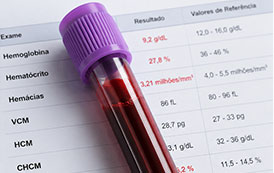
Anemia Treatment: Options and How It Works
Treatment for anemia depends on the cause and may include dietary changes, supplementation, or specific medical care. The main goal is to correct the deficiency causing the anemia and restore adequat…
Read more
Anemias (I)
Driven by the heart, blood carries substances essential to life to every cell in the body.
Read more
Anemias (III) - Vitamin B12 and Anemia
In addition to iron, a deficiency in vitamin B12 (B12) is one of the causes of anemia.
Read more
Anemias (IV) - Hemolytic Anemias
I'm sure you've heard of someone who can't eat fava beans.
Read more
Anemias (V) - Hemolytic Anemias (II)
We have already seen that hemolytic anemias result from the destruction of red blood cells (RBCs) due to external causes or internal abnormalities.
Read more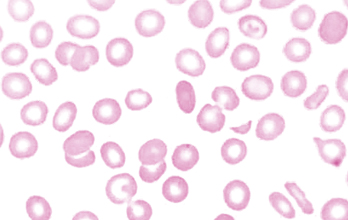
Iron Deficiency (Anemia)
Iron deficiency is a public health problem; it is the leading cause of anemia worldwide and the most prevalent nutritional deficiency.
Read more
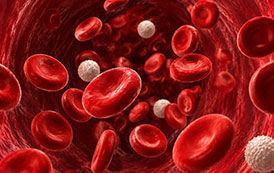
Types of Anemia: Learn About the Differences and Causes
The types of anemia vary depending on the cause and how they affect the production or function of red blood cells. Although anemia is often associated with iron deficiency, there are different types …
Read more