





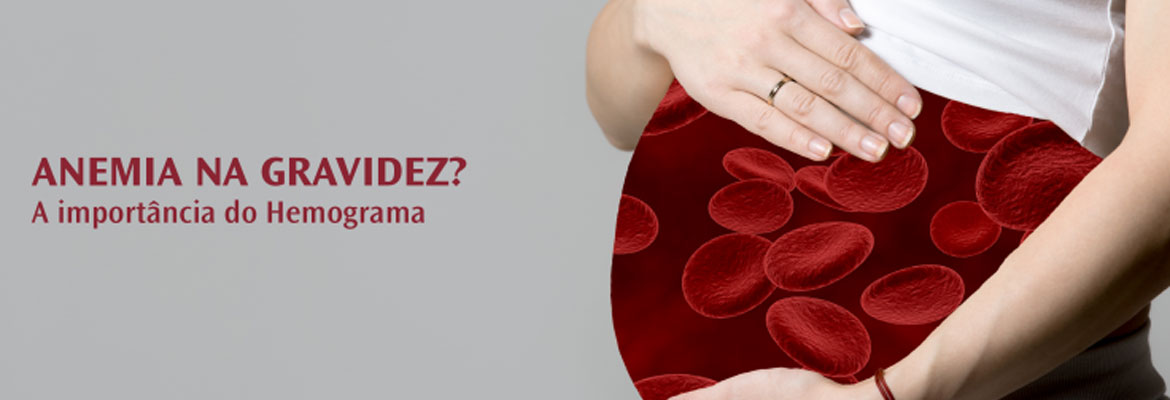
Anemia is a condition in which there are not enough healthy red blood cells (erythrocytes) to adequately transport oxygen to the body’s tissues in order to meet the body’s physiological needs. It is characterized by a decrease, to below-normal levels, in one or more of the main red blood cell parameters (hemoglobin concentration, hematocrit, or red blood cell count).
Pregnancy involves a system comprising the mother, the fetus, and the placenta, thus forming a triad that must be sustained. A normal pregnancy brings about many changes in maternal physiology, including changes in hematological parameters.
Anemia is one of the most common problems during pregnancy and contributes to maternal and fetal morbidity and mortality. The most common cause of anemia is iron deficiency.
A complete blood count (CBC) is the most appropriate clinical test for screening for anemia, as it allows for the quantification of a set of parameters, namely the red blood cell count and hemoglobin concentration in the pregnant woman’s blood.
During prenatal care, laboratory medicine plays a pivotal role in screening for conditions that may affect the mother and the fetus. A complete blood count is performed as early as the first trimester of pregnancy, before 13 weeks; by analyzing the pregnant woman’s blood cells, it not only screens for anemia but also assesses the mother’s overall health and helps detect and monitor various abnormalities.
Anemia and iron deficiency have a negative impact on the mother, fetus, and placenta. As for the pregnant woman, anemia can lead to heart failure, postpartum hemorrhage, increasedsusceptibility to infection, delayed recovery after a cesarean section, and risk of embolism; furthermore, an iron-deficient uterus may exhibit minor weaknesses in its muscle fibers and difficulty contracting. For the fetus, anemia can cause intrauterine growth restriction, a threefold increased risk of fetal death in utero, and preterm birth. A baby born into an environment deficient in iron stores may develop cognitive and mental ability deficits.
Complete Blood Count – Interpretation of Results
The cells circulating in the blood are divided into three types: red blood cells (erythrocytes), white blood cells (leukocytes), and platelets. The blood count is considered “complete” because it consists of an automated count of the cells in the blood, specifically: red blood cells (RBCs), hemoglobin concentration (Hb), hematocrit (Ht), mean corpuscular volume (MCV), mean corpuscular hemoglobin (MCH), mean corpuscular hemoglobin concentration (MCHC), white blood cells (WBCs), differential white blood cell count (leukogram), and platelet count.
This clinical test is performed using a standard blood collection drawn from a vein in the mother’s forearm.
In pregnant women, anemia is defined as a hemoglobin concentration below 11 g/dL in the first and third trimesters and below 10.5 g/dL in the second trimester.
If you have any questions, please contact us.
We'll be happy to help.
CLINICAL PATHOLOGY LABORATORY

Related articles:
Anemia Treatment: Options and How It Works
Treatment for anemia depends on the cause and may include dietary changes, supplementation, or specific medical care. The main goal is to correct the deficiency causing the anemia and restore adequat…
Read more
Symptoms of Anemia: How to Recognize the Signs
Symptoms of anemia may include fatigue, weakness, paleness, and shortness of breath, which occur when the body does not receive enough oxygen through the blood. These symptoms may develop gradually a…
Read more
Types of Anemia: Learn About the Differences and Causes
The types of anemia vary depending on the cause and how they affect the production or function of red blood cells. Although anemia is often associated with iron deficiency, there are different types …
Read more