





Diagnosis of Cervical Cancer—What Is It?
The number of new cases of cervical cancer in Portugal exceeds 900 cases per year, making it the second most common malignant tumor in women and one of the leading causes of death (300 women per year) in developed countries.
The Human Papillomavirus (HPV) is the primary cause, as it is present in 99.7% of cases. A woman infected with the virus has a 300-fold higher risk of developing cervical cancer as a result of genital infection.
Cervical cancer is, therefore, a rare complication of a common infection. However, it is also one of the most preventable forms of cancer in humans.
How can it be prevented?
There are three ways to prevent a diagnosis of cervical cancer:
1. HPV vaccination
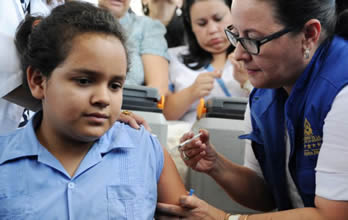
The HPV vaccine is the most effective method of preventing this disease. Under the National Immunization Plan, it should preferably be administered to girls aged 10 and older, up to the day before their 18th birthday, and/or before they become sexually active, as this is the stage when most infections with the virus occur.
However, it is important to note the following points about the vaccine:
- The vaccine is preventive only and cannot treat the infection;
- The vaccine provides effective protection against the HPV types included in the vaccine.
- There are two types of HPV vaccines—bivalent (serotypes 16 and 18) and nonavalent (HPV 6, 11, 16, 18, 31, 33, 45, 52, and 58)—which protect us from the most serious strains of the disease, but not all of them.
2nd - Screening Tests
A Pap smear, also known as a cervical cytology test, is one of the main methods for screening for the presence of abnormal cells in the cervix. It should be performed every 3 years, starting at age 25 and continuing until age 65.
If you experience any of the following symptoms, we recommend that you see your gynecologist: itching; discharge; abnormal bleeding (outside of your menstrual period); pain during sexual intercourse.
3rd - Assessing Behaviors
Often, a diagnosis of cervical cancer is linked to past behaviors. It is important to learn about sexually transmitted infections, their signs and symptoms, as well as how they are transmitted and their consequences.
You should take preventive measures, such as using condoms with casual partners and performing regular self-exams of your genital area.
In addition, you should avoid behaviors that increase the risk of HPV infection, such as smoking or having multiple sexual partners.
How is cervical cancer diagnosed?
Cervical cancer is diagnosed through routine screenings. The Pap test does not directly detect the presence of the virus, but it allows us to identify the changes the virus causes in cells.
If cervical cancer is suspected, your doctor should refer you for more specific tests for initial screening or to confirm the diagnosis. There are, however, several criteria that guide the choice of tests:
Hybrid Capture Test
This is a screening test that detects HPV infections. It is typically ordered in conjunction with a Pap smear for women over the age of 30.
Genotyping test
This test should be performed in cases of persistent infections (and/or co-infections). It has greater specificity than the hybrid capture test, as it allows for different therapeutic approaches and the identification of high-risk genotypes, such as HPV 16 and 18, which account for about 70% of the serotypes associated with a diagnosis of cervical cancer.
Where can you get tested for cervical cancer?
If HPV infection is suspected or if cervical cancer has already been diagnosed, it is important to visit a specialized clinic to undergo the necessary tests.
At Germano de Sousa, we have more than 550 collection points throughout the country. This ensures that everyone has easy access to our diagnostic services.
Visit the “Collection Points” page for more information.
If you have any questions, please contact us.
We'll be happy to help.
CLINICAL PATHOLOGY LABORATORY

Related news:
Vacina contra HPV antecipada no novo pr… | 2016
Artigo do Prof. Germano de Sousa no sapo lifestyle sobre a antecipação da Vacina contra HPV no novo…
Read more
Citologia Cervical No Período Gestacion… | 2016
Artigo da Profª Doutora Maria José de Sousa no Sapo Lifestyle sobre Citologia Cervical No Período G…
Read more
HPV e Cancro do Colo do Útero - 23 de M… | 2016
Programa Saúde em Jogo sobre o HPV e Cancro do Colo do Útero.
Read more
Cancro do colo do útero | 2007
Vírus do papiloma humano (HPV) causa cancro do colo do útero
Read moreRelated articles:

Center of Excellence for HPV and Cervical Cancer
Laboratory diagnosis of HPV (human papillomavirus) is one of the centers of excellence at the Germano de Sousa Center for Laboratory Medicine...
Read more
HPV Symptoms – What You Need to Know
The human papillomavirus, or HPV, is the most common sexually transmitted infection (STI). It is estimated that 50 to 80 percent of sexually active people will come into contact with the virus at som…
Read more
HPV-positive—what does that mean?
Do you think you might have an HPV infection? It's normal to feel worried and unsure about what that means.
Read more
Skin Cancer Screening: The Importance of Early Diagnosis and Prevention
Skin cancer is one of the most common forms of cancer, and if detected early, it has a high cure rate. Skin cancer screening is an essential tool for identifying suspicious lesions before they become…
Read more
What Is Skin Cancer and How to Prevent It
Skin cancer is one of the most common forms of cancer and occurs when skin cells mutate and grow uncontrollably.
Read more