





Skin cancer is one of the most common forms of cancer and occurs when skin cells mutate and grow uncontrollably. This type of cancer can develop anywhere on the body, but it is most common in areas exposed to the sun, such as the face, neck, arms, and legs. There are different types of skin cancer, the most common being basal cell carcinoma, squamous cell carcinoma, and melanoma.
Types of Skin Cancer
Basal Cell Carcinoma
Basal cell carcinoma is the most common type of skin cancer. It develops in the basal cells, which are located in the deepest layer of the epidermis. Generally, this type of cancer grows slowly and rarely spreads to other parts of the body. However, if left untreated, it can cause significant damage to surrounding tissues.
Squamous Cell Carcinoma
Squamous cell carcinoma develops in squamous cells, which make up most of the upper layers of the skin. This type of skin cancer can grow more quickly than basal cell carcinoma and is more likely to spread to other parts of the body.
Melanoma
Melanoma is the most serious type of skin cancer. It develops in melanocytes, the cells that produce melanin, the pigment that gives skin its color. Melanoma can appear anywhere on the body and is highly likely to metastasize—that is, to spread to other parts of the body—which makes it more dangerous.
What Are the Symptoms of Skin Cancer
The symptoms of skin cancer can vary depending on the type, but some common signs include:
- Skin changes: Spots, sores, bumps, or lesions that do not heal.
- Changes in moles: Changes in the color, shape, size, or texture of existing moles or spots.
- Lesions that bleed or form scabs: Especially if there is no apparent cause for the bleeding.
- Patches or discolored areas: That grow over time.
For more detailed information on the symptoms of skin cancer, read the article: What Are the Symptoms of Skin Cancer?
Risk Factors
There are several factors that can increase your risk of developing skin cancer, including:
- Sun exposure: Ultraviolet (UV) radiation from the sun is the leading cause of skin cancer.
- Use of tanning beds: Exposure to artificial UV radiation also increases the risk.
- Family history: People with a family history of skin cancer are at higher risk.
- Fair skin: People with fair skin, blue or green eyes, and blond or red hair are at higher risk of developing skin cancer.
- Age: The risk of skin cancer increases with age.
- Weakened immune system: People with weakened immune systems, such as those who have received organ transplants, are at higher risk.
How to Prevent Skin Cancer
Preventing skin cancer involves taking steps to protect your skin from UV radiation and adopting healthy lifestyle habits. Here are some important tips:
1. Protect yourself from the sun
- Avoid sun exposure between 10 a.m. and 4 p.m.: During this time, UV rays are at their strongest.
- Use sunscreen: Apply a broad-spectrum sunscreen with a sun protection factor (SPF) of at least 30. Reapply every two hours and after swimming or sweating.
- Wear protective clothing: Wear wide-brimmed hats, UV-protective sunglasses, and long-sleeved clothing when outdoors.
- Seek shade: Whenever possible, stay in shaded areas, especially during the hours of peak sun intensity.
2. Avoid tanning beds
- The use of tanning beds and other forms of artificial UV radiation significantly increases the risk of skin cancer. It is advisable to avoid these practices entirely.
3. Regular self-exams
- Performing regular skin self-exams to identify early signs of skin cancer is crucial. Look for changes in your skin and consult a dermatologist if you notice anything suspicious.
4. See a dermatologist
- Regular visits to a dermatologist for skin exams can help detect skin cancer at an early stage, when it is most treatable. It is recommended to see a dermatologist at least once a year.
For more detailed guidance on the importance of early diagnosis, read the article “Skin Cancer Screening: The Importance of Early Diagnosis and Prevention.”
Take care of your skin: prevention is the key to good health
Skin cancer is a serious condition, but with appropriate preventive measures and early diagnosis, it is possible to significantly reduce the risk and effectively treat this disease. Protecting your skin from the sun, avoiding tanning beds, performing regular self-exams, and seeing a dermatologist are essential steps for prevention.
Don’t forget to visit our collection points to undergo the necessary exams and ensure your health. Prevention is the best medicine!
If you have any questions, please contact us.
We'll be happy to help.
CLINICAL PATHOLOGY LABORATORY

Related news:
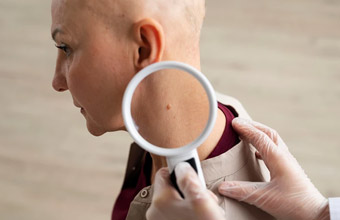
Cancro da pele não melanoma: os dois ti… | 2024
O cancro da pele não melanoma resulta de uma perturbação do normal ciclo da vida das células, onde …
Read more
Novo teste não invasivo consegue deteçã… | 2024
O teste Avantect vem mudar o paradigma da deteção do cancro pancreático: Inclui no seu algoritmo o …
Read more
Cancro do pâncreas: Germano de Sousa pr… | 2024
O Centro de Medicina Laboratorial Germano de Sousa promoveu esta quinta-feira um workshop sobre ava…
Read more
AVANTECT – TESTE NÃO INVASIVO PARA DETE… | 2024
O teste Avantect vem mudar o paradigma da deteção do cancro pancreá- tico:
Read moreGrupo Germano de Sousa aposta na preven… | 2023
90% dos cancros da mama podem ser vencidos se forem detetados precocemente* e por isso, o Grupo Ger…
Read more
Outubro Rosa: Marcas juntam-se à luta c… | 2023
Para assinalar o Mês da Sensibilização para o Cancro da Mama e o Dia Internacional do Cancro da Mam…
Read more
Grupo Germano de Sousa Lança Campanha d… | 2023
De norte a sul do país, visite um posto de colheitas Germano de Sousa e dê “cara” a esta campanha …
Read more
Grupo Germano de Sousa lança campanha d… | 2023
O Grupo Germano de Sousa lançou uma campanha de sensibilização e prevenção sobre o cancro da mama, …
Read more
Prevenção contra o cancro da mama – Uma… | 2023
Em 90% dos casos dos cancros da mama podem ser vencidos se forem detetados precocemente. “Prevenção…
Read moreRelated articles:

Avantect Test for Pancreatic Cancer Detection
Avantect Test for Pancreatic Cancer Detection
Read more
Breast Cancer Screening: When and How to Get Screened
Breast cancer screening is one of the most effective ways to detect this type of cancer in its early stages, significantly increasing the chances of successful treatment.
Read more
Breast Cancer Symptoms: Recognize the Early Signs
This cancer is one of the most common diseases among women, and early detection is essential to increasing the chances of successful treatment. Recognizing the early symptoms of breast cancer can mak…
Read more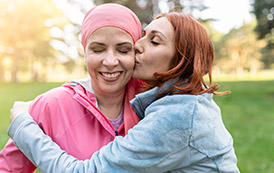
Breast Cancer: Learn How to Prevent It and Protect Yourself
Breast cancer is one of the most common diseases among women and is one of the leading causes of cancer-related deaths worldwide.
Read more
Cancer and Genetics
Cancer and genetics are inextricably linked: cancer essentially results from the accumulation of errors in our DNA that compromise cell function and enable them to exhibit oncogenic behavior.
Read more
Center of Excellence for HPV and Cervical Cancer
Laboratory diagnosis of HPV (human papillomavirus) is one of the centers of excellence at the Germano de Sousa Center for Laboratory Medicine...
Read more
Diagnosis of Cervical Cancer
Cervical cancer is, therefore, a rare complication of a common infection. However, it is also one of the most preventable forms of cancer in humans.
Read more
Oncology: the science that studies cancer
The term “oncology” comes from the Greek word onkos (meaning mass or volume) and the suffix -logia (meaning study). Consequently, oncology is a branch of medicine and science dedicated to the diagnos…
Read more
Pancreatic Cancer: Symptoms and Warning Signs
Pancreatic cancer results from an abnormality in the process of cell regeneration in the tissues that make up the pancreas. In Portugal, there are 1,000 new cases of pancreatic cancer each year.
Read more
Pancreatic Cancer: What It Is, Causes, and Risk Factors
Pancreatic cancer is a malignant tumor that affects the pancreas. Among tumors affecting the digestive and endocrine systems, it has the worst prognosis.
Read more
Skin Cancer Screening: The Importance of Early Diagnosis and Prevention
Skin cancer is one of the most common forms of cancer, and if detected early, it has a high cure rate. Skin cancer screening is an essential tool for identifying suspicious lesions before they become…
Read more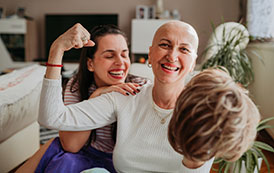
The Impact of a Breast Cancer Diagnosis on the Family
When we talk about breast cancer and the professionals who treat it, we must bear in mind the inherent complexity of cancer. It affects not only the person diagnosed, but also their family and the br…
Read more
What is cancer?
Cancer, malignant neoplasm, or neoplasm are medical terms that describe the growth of abnormal cells in the body. These cells can metastasize and invade other healthy tissues, giving rise to a tumor.
Read more