





What Is HPV, Its Symptoms, and How It Is Transmitted
Human papillomavirus, or HPV, is the most common sexually transmitted infection (STI). It is estimated that 50 to 80% of sexually active people will come into contact with the virus at some point in their lives.
The disease affects people of all genders, ages, and ethnicities, regardless of their geographic location. Often, HPV symptoms do not appear immediately after infection. Infection occurs through direct contact between the skin and mucous membranes and, more rarely, through vertical transmission (during childbirth) or urogenital contact.
Studies show a link between this STI and the development of cervical cancer, warts, and other anogenital conditions. However, there are more than 200 different virus serotypes, most of which are benign and do not cause HPV symptoms or serious problems.
HPV: Most Common
Symptoms and Signs
The formation of genital warts (condylomas) or papillomas (growths on the skin or mucous membranes) is one of the most common manifestations of HPV symptoms. These lesions are benign.
Consequently, they can lead to the following complications:
- Condyloma acuminatum: This is a condition characterized by the appearance of genital warts, which is more common in women (in approximately two-thirds of cases);
- Respiratory papillomatosis: This rare condition involves the formation of growths throughout the respiratory tract, causing difficulty breathing and speaking.
How can the disease be prevented?
Prevention depends on several factors, particularly behavioral choices.
It is important to learn about HPV symptoms, signs, and modes of transmission so that a diagnosis can be made as early as possible.
If you are a woman, it is important to have regular gynecological exams, including a Pap test and/or HPV-DNA test, if recommended and available, even if you have been vaccinated. We recommend that you undergo these screenings in consultation with your gynecologist, especially if you are sexually active and/or have recently changed partners, or if you suspect you may have been exposed.
It is important to talk openly with your partner about your past sexual behavior, including a history of unprotected sex and whether he or she has had multiple previous partners.
The use of barrier contraceptives (condoms) is recommended for the prevention of all STIs. However, it is important to emphasize that areas of skin not covered by the condom are not protected.
What is the HPV vaccine?
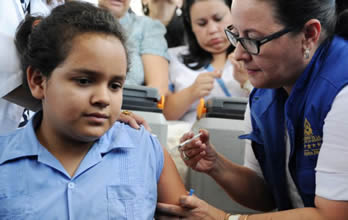
The HPV vaccine is part of the National Immunization Program and should ideally be administered before becoming sexually active or experiencing HPV symptoms. It must be recorded in the Individual Health Record.
Vaccination is recommended starting at age 10; you can request it free of charge from your family doctor.
The vaccine is administered in three doses:
- 1st dose – starting at age 10;
- 2nd dose – 2 months after the 1st dose;
- 3rd dose – 6 months after the 1st dose.
Note that the vaccine is preventive, not therapeutic. In other words, it does not treat an HPV infection, nor does it prevent the development of cervical cancer if a person is already infected.
What is the treatment for the infection?
There is no cure for the human papillomavirus. In most cases, the infection is cleared naturally by the individual’s immune system, without the need for medical intervention. Most people do not experience any symptoms of HPV.
In the event of complications, it is essential to have access to personalized medical care, as the treatments used are more specific and rigorous.
Did your screening test come back positive for HPV? Read the featured article to learn how you can confirm the diagnosis.
If you have any questions, please contact us.
We'll be happy to help.
CLINICAL PATHOLOGY LABORATORY

Related news:
Vacina contra HPV antecipada no novo pr… | 2016
Artigo do Prof. Germano de Sousa no sapo lifestyle sobre a antecipação da Vacina contra HPV no novo…
Read more
HPV e Cancro do Colo do Útero - 23 de M… | 2016
Programa Saúde em Jogo sobre o HPV e Cancro do Colo do Útero.
Read moreRelated articles:

Center of Excellence for HPV and Cervical Cancer
Laboratory diagnosis of HPV (human papillomavirus) is one of the centers of excellence at the Germano de Sousa Center for Laboratory Medicine...
Read more
Diagnosis of Cervical Cancer
Cervical cancer is, therefore, a rare complication of a common infection. However, it is also one of the most preventable forms of cancer in humans.
Read more
HPV-positive—what does that mean?
Do you think you might have an HPV infection? It's normal to feel worried and unsure about what that means.
Read more
Questions and Answers About Human Papillomavirus Pathology
The human papillomavirus (HPV) is a virus that infects keratinocytes in the skin or mucous membranes and has more than 200 different serotypes. Most subtypes are associated with benign lesions, but c…
Read more