





Human papillomavirus
Table of Contents
- What is HPV?
- How is HPV transmitted?
- What is cervical cancer?
- What is the natural history of HPV?
- What are the most common signs and symptoms of HPV?
- Warts
- How is HPV screening and diagnosis performed?
- How can I prevent HPV?
- How is HPV treated?
- What does the HPV vaccine involve?
- Which vaccines are available in Portugal?
- Is vaccination recommended for men?

What is HPV?
The human papillomavirus (HPV) is a virus that infects the keratinocytes of the skin or mucous membranes and has more than 200 different serotypes. Most subtypes are associated with benign lesions, but certain types are frequently found in specific neoplasms.
Several studies reveal an association between HPV and the development of cervical cancer, warts, and other anogenital conditions. It is therefore extremely important to study this virus, as cervical cancer is one of the types of cancer that has increased the most in recent years.
High-risk viruses—that is, those most likely to cause persistent lesions and be associated with precancerouscancerous lesions, are types 16, 18, 31, 33, 35, 39, 45, 51, 52, 56, 58, 59, and 68. In contrast, HPV types 6 and 11, found in most genital warts (or genital condylomas) and laryngeal papillomas, do not appear to pose any risk of progression to malignancy, although they can also be found in a small proportion of malignant tumors.
How is HPV transmitted?
HPV is the most common sexually transmitted infection (STI). It can infect individuals of both sexes, of all ages and ethnicities, regardless of geographic location, primarily infecting the female and male genital areas, but also any other region of the body—a single lesion serving as an entry point through the skin or mucous membranes is sufficient.
This virus has been found in locations such as the eye, mouth, pharynx, respiratory tract, anus, rectum, and urethra. Infection occurs through direct epithelial contact (skin and mucous membranes) and, more rarely, through vertical transmission—that is, during childbirth—and there have also been reports of transmission through urogenital contact.
The virus can remain in the cervix for several years without causing disease; however, it can lead to precancerous lesions that, if left untreated, tend to progress to cancer.
Condoms do not protect against HPV infection, but their use is recommended because of their effectiveness in preventing other sexually transmitted infections.
What is Cervical Cancer?
It is the most serious consequence of infection with HPV, with high-risk types (16, 18, 31, 33, 35, 39, 45, 51, 52, 56, 58, 59, 68) accounting for the majority of cases of this type of cancer.
The types of cancer that are in some way associated with HPV include: cervical, anal, vulvar, penile, and head and neck cancers. Of these, the most significant (in the sense that it has the highest rate of correlation with infection) is cervical cancer, with 95% of cases—or even more—attributed to HPV.
The transformation into malignant cells is a slow process and occurs in people who have a persistent infection over a long period of time. However, this infection may not be associated with symptoms such as genital warts, which is why regular screening tests are recommended.
What is the natural history of HPV?
Studies show that between 50% and 80% of sexually active women will be infected with one or more types of HPV at some point in their lives.
However, most infections are transient and are spontaneously cleared by the immune system, particularly among younger women, without presenting obvious symptoms or signs.
Infection can also occur in men, and although clinical manifestations are less frequent than in women, it is estimated that about 50% of men are also infected with this virus.
Skin lesions (warts) are generally not a cause for concern from a clinical standpoint. The main complication is related to the progression of lesions caused by certain types of HPV to cancer, particularly in the cervix. Lesions detected by cytology or biopsy are categorized into three stages, ranging from CIN-I (mild dysplasia) to CIN-III (carcinoma in situ), which has a high probability of progressing to invasive cervical cancer. A greater extent of dysplasia carries a worse prognosis; therefore, the earlier the diagnosis is made, the better the chances are that the lesions can be controlled with treatment.
In immunocompromised patients, the risk of progression to cancer is elevated due to a reduced ability to mount a response against the pathogen, as well as a diminished capacity to detect and destroy infected cells.
The Pap smear result may sometimes indicate the presence of atypical cells (ASCUS, or atypical cells of undetermined significance). As the name suggests, these atypical cells do not have a clear significance, but they are an important indication for your doctor to increase the frequency of monitoring for cervical lesions.
What are the most common signs and symptoms of HPV?
In most cases, HPV infection does not cause any symptoms. The virus can, however, remain dormant in the body for a long time without causing any symptoms, even though it can still be transmitted. In certain situations—such as during pregnancy or periods of increased stress, when the immune system is suppressed—the virus can manifest in different ways.
Warts
The most characteristic and common manifestation of HPV infection is the formation of warts, which are benign hyperproliferative lesions also known as papillomas. However, different subtypes of HPV tend to infect specific areas and can cause various conditions.
Warts are typically caused by cutaneous subtypes such as HPV-1 and HPV-2, and can occur on areas such as the hands, feet, and face, among others. The virus is transmitted through casual contact with infected areas, and self-inoculation to new areas on the same person may occur. This type of manifestation is generally associated with younger individuals and does not appear to be linked to an increased risk of cancer.
- Genital warts: More than 30 HPV variants infect the genital region, although types 6 and 11 are primarily responsible for about 90% of cases and can cause warts on the vulva, penis, and anus. These condylomas occur mainly in adult, sexually active populations and are more common in women (in approximately two-thirds of cases).
- Respiratory papillomatosis: This rare condition involves the formation of warts along the respiratory tract, which can obstruct airflow and require repeated surgical procedures for their removal.
How Is HPV Screening and Diagnosis Performed?
Diagnosis can be made through medical history, physical examinations, and biochemical tests. Screening for the most significant complication (cervical cancer) is routinely performed via the Pap test, which, although it does not detect the presence of the virus, allows for the identification of the cellular changes it causes.
A biopsy is used to observe and characterize cellular changes through microscopic analysis of a sample and is performed in specific situations, particularly following positive cytology and colposcopy results.
Colposcopy and peniscopy are techniques used to detect condylomas on the mucous membranes, which are a clear sign of HPV infection.
HPV screening tests have been introduced for the diagnosis of this type of infection, and molecular biology techniques (such as hybridization, PCR, and hybrid capture) have been developed that allow for the detection of viral DNA in biopsy specimens or cervical swabs, and these methods also exhibit high specificity and sensitivity.
These techniques are the only way to unequivocally diagnose HPV.
How can I prevent HPV?
Cutaneous strains
Due to its protein capsid, HPV can survive for extended periods on various surfaces. Some precautions that can help prevent infection include:
- Wearing appropriate footwear in public swimming pools;
- Avoiding contact with the surfaces of public restrooms and other surfaces with poor hygiene;
- Treating warts to prevent the virus from being accidentally spread to healthy skin and causing a new outbreak (self-inoculation).
Genital Strains
The primary route of transmission for genital HPV strains is through sexual contact. Important preventive measures:
- Avoid risky sexual behaviors—specifically by using condoms with casual partners, which offers the added benefit of protecting against other STDs. According to some authors, the application of topical microbicides before sexual intercourse also appears to prevent HPV infection;
- HPV vaccine — Vaccines are now available on the market for some of the HPV strains implicated in the development of cervical cancer and genital warts, which can prevent infection. It should be noted, however, that they are not effective if the infection was acquired before the vaccine was administered, and that they protect only against infection by certain strains and not all of them; therefore, regular screening remains essential. Individuals infected with one type of HPV may still benefit from the vaccine’s protective effect against infection by the other subtypes it covers.
Behaviors
Learn about preventive measures and use them consistently. Learn about the signs and symptoms of sexually transmitted infections, their consequences, and modes of transmission.
Women should undergo regular gynecological exams and have a Pap smear and/or HPV-DNA test, if recommended and available, even if they have been vaccinated. During gynecological checkups, they can discuss with their doctor screening for situations to which they may have been exposed.
- Condoms
The use of latex and polyurethane condoms does not protect against HPV infection, but their use is recommended due to their effectiveness in preventing other sexually transmitted infections.
- Infections
Keep in mind that a partner’s past sexual behavior is also a risk factor, especially if they have had multiple previous partners.
- Vaccines
Women should get vaccinated in accordance with the National Immunization Program or as recommended by a healthcare provider.
Additionally, it is necessary to:
- Maintain good hygiene and see a doctor regularly if you experience any of the following symptoms: itching, discharge, abnormal bleeding (outside of your menstrual period), and pain during sexual intercourse.
- Limit the number of sexual partners and use condoms, although some studies show that condoms do not guarantee protection against infection. Most sexually active people may be infected!
- The following are described as risk factors for the development of cervical cancer: smoking, use of oral contraceptives, presence of sexually transmitted diseases, nutritional deficiencies, early age at first sexual intercourse, and multiple sexual partners.
How is HPV treated?
The HPV virus can clear up on its own, without the person even knowing they were infected. There are several forms of treatment, but the goal of any of them is to destroy the infected tissue.
In the case of cervical cancer, medical follow-up is especially important, since the treatments used are more specific and rigorous. Multidisciplinary therapies involving surgery, radiation therapy, and chemotherapy are indicated for the treatment of this cancer.
What does the HPV vaccine consist of?
The vaccine does not protect against all types of HPV that can cause cancer, but it prevents cervical cancer associated with the two most common types of HPV.
The ideal age for vaccination is 13 years old, and currently, three doses are recommended:
- 1st dose – starting at age 13
- 2nd dose – 2 months after the 1st dose
- 3rd dose – 6 months after the 1st dose
Vaccination must be recorded in the Individual Health Record.
However, the vaccine does not protect against infection by all types of HPV and does not prevent all cases of cervical cancer, particularly anogenital cancers and genital warts.
The vaccine is exclusively preventive and should preferably be administered before the onset of sexual activity.
The greatest uncertainty regarding the vaccine concerns the duration of immunity, since, as it is a new drug, it is not possible to confirm its persistence beyond five years.
Which vaccines are available in Portugal?
- Bivalent—Covers serotypes 16 and 18, which account for about 70% of cervical cancer cases.
- Quadrivalent—Covers serotypes 16, 18, 6, and 11, which account for about 90% of anogenital warts.
Is vaccination recommended for men?
Vaccination for men, although it may be administered on a case-by-case basis upon medical recommendation, is not recommended. If you notice genital warts, you should:
- Schedule an appointment (with a primary care physician, at a sexually transmitted infection clinic, or with a urologist).
- Inform your partner, who should also be examined.
- Use condoms during sexual intercourse.
Sources: Wikipedia; Portuguese Papillomavirus Society; National Cancer Institute; IPO Porto; Ministry of Health; Gineco.com; Health Portal.
If you have any questions, please contact us.
We'll be happy to help.
CLINICAL PATHOLOGY LABORATORY

Related news:
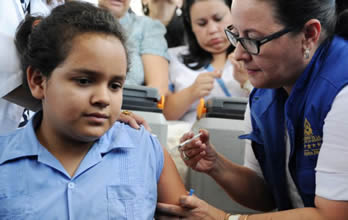
Vacina contra HPV antecipada no novo pr… | 2016
Artigo do Prof. Germano de Sousa no sapo lifestyle sobre a antecipação da Vacina contra HPV no novo…
Read more
HPV e Cancro do Colo do Útero - 23 de M… | 2016
Programa Saúde em Jogo sobre o HPV e Cancro do Colo do Útero.
Read moreRelated articles:

Center of Excellence for HPV and Cervical Cancer
Laboratory diagnosis of HPV (human papillomavirus) is one of the centers of excellence at the Germano de Sousa Center for Laboratory Medicine...
Read more
HPV Symptoms – What You Need to Know
The human papillomavirus, or HPV, is the most common sexually transmitted infection (STI). It is estimated that 50 to 80 percent of sexually active people will come into contact with the virus at som…
Read more
HPV-positive—what does that mean?
Do you think you might have an HPV infection? It's normal to feel worried and unsure about what that means.
Read more