





What is Alzheimer's disease?
Alzheimer’s disease is a neurodegenerative disorder, considered the most common form of progressive dementia, which affects older adults. However, the diagnosis can also occur in cases of hereditary transmission (early-onset) that begin as early as age 45–50.
This clinical condition is characterized by the deposition and accumulation of β-amyloid and tau proteins outside neurons, forming dense structures known as “senile plaques.” As a result, atrophy of the temporal, parietal, and frontal lobes occurs, accompanied by the loss of neurons and synapses.
The progression of Alzheimer’s disease accelerates with age, resulting in the progressive deterioration of cognitive functions and memory loss. This affects daily activities and can influence the individual’s behavior and emotional state.
Challenges and the Need for Early Diagnosis
Alzheimer’s disease is one of the greatest global challenges today, with an increasing number of cases emerging each year. There is still no cure available, and early diagnosis is crucial for optimal management of the disease.
Symptoms of Alzheimer’s Disease
This condition is characterized by symptoms that progressively affect cognitive functions. Among the early signs are:
- Loss of recent memory;
- Difficulty performing routine tasks;
- Confusion regarding time and place;
- Language difficulties;
- Mood changes;
- Disorientation;
- Loss of ability to care for oneself;
Learn to recognize the symptoms of Alzheimer’s disease at age 50.
Risk Factors and Prevention
There are multiple risk factors associated with the development of Alzheimer’s disease. In addition to aging, certain health conditions—such as diabetes, high blood pressure, and obesity—can increase the risk of developing the disease.
It is important to note that prevention also plays a key role in the fight against Alzheimer’s disease. Keeping the mind active through activities and games that stimulate thinking and memory helps strengthen neural connections and slow cognitive decline.
Clinical Diagnosis and Neurochemical Markers
Clinical diagnosis can be a complex process, especially in the early stages of the disease, and is based on:
Medical history: Analysis of the patient’s medical history and evaluation of possible symptoms and risk factors.
Complementary imaging tests: These include exams such as computed tomography (CT), Magnetic Resonance Imaging (MRI), Single-Photon Emission Computed Tomography (SPECT), and Positron Emission Tomography (PET), which allow for the detection of possible anatomical changes in the brain.
Neurochemical markers: This analysis, with a sensitivity of 94 to 100%, enables early diagnosis. These markers include β-amyloid (Aβ1-40 and Aβ1-42), total tau protein, phosphorylated tau protein (P-tau), and the Aβ1-42/Aβ1-40 ratio.
ApoE genotype: The presence of certain variants of this gene may indicate an increased risk of developing the disease.
Analysis of the disease’s neurochemical markers, performed using a sample of the patient’s cerebrospinal fluid (CSF), is currently the most widely used diagnostic tool.
Importance of Genes Associated with Alzheimer’s Disease
Multiple genes believed to be responsible for the disease have been identified, some of which are characterized as susceptibility genes—linked to late-onset Alzheimer’s disease—and others that have been linked to early-onset or familial forms of the disease.
For more information on advances in genetic studies of this disease in Portugal, download the Brochure on Genetic Studies in Portugal by clicking the button below.
This brochure discusses genetic studies of this disease in Portugal, highlighting the importance of early diagnosis and the use of neurochemical markers to identify the disease. It mentions the genes related to late-onset and early-onset forms of the disease, emphasizing the need for multidisciplinary medical care.
If you have any questions, please contact us.
We'll be happy to help.
CLINICAL PATHOLOGY LABORATORY

Related news:

Marcadores no diagnóstico da doença de … | 2022
Não existe um exame específico para o diagnóstico da Doença de Alzheimer.
Read more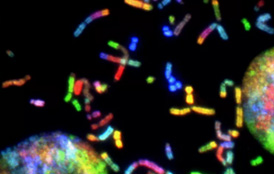
Quais os genes associados à doença de A… | 2022
As doenças genéticas e o seu carácter hereditário influenciam as decisões pessoais, os projetos de …
Read more
Alzheimer: qual a génese da doença? - S… | 2022
A doença de Alzheimer é uma doença neurodegenerativa, considerada uma das formas mais comuns de dem…
Read moreRelated articles:
Autoantibodies in Neurology
Neurological disorders that present with symptoms such as memory loss, confusion, hallucinations, and seizures may be caused by underlying autoimmune diseases.
Read more
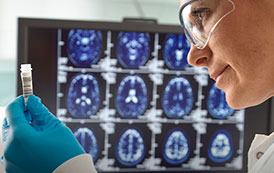
How to Diagnose Alzheimer's—a Neurodegenerative Disease
Alzheimer's disease is the most common form of progressive dementia, affecting millions of people worldwide and causing a continuous and irreversible loss of various cognitive functions, includi…
Read more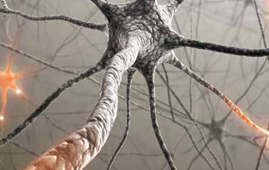
Myasthenia Gravis
Myasthenia gravis (MG) is an autoimmune disease associated with the presence of autoantibodies directed against the acetylcholine receptor (AChRAB) and muscle-specific kinase (MuSK).
Read more

Paraneoplastic Syndromes (PNS)
SPNs result from the presence of anti-tumor neuro-oncoprotein (intracellular) autoantibodies.
Read more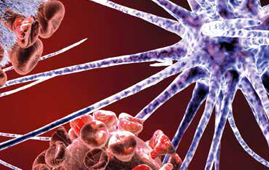

Symptoms of Alzheimer's at Age 50
Alzheimer's, a common neurodegenerative disease, is often associated with advanced age. However, it is crucial to recognize that symptoms of Alzheimer's can appear as early as age 50, espec…
Read more