




Iron deficiency is a public health problem; it is the leading cause of anemia worldwide and the most prevalent nutritional deficiency.
Learn more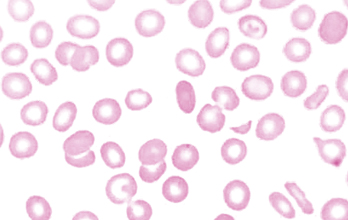
212 693 530*
Collection Points
Phone 212 693 530* *Fixed network call charges according to your tariff

Iron deficiency is a public health problem; it is the leading cause of anemia worldwide and the most prevalent nutritional deficiency.
Learn more
The diagnostic approach in hematological oncology (the study of hematologic neoplasms) should be based on the World Health Organization’s (WHO 2008, revised in 2016) classification of tumors of the hematopoietic and lymphoid tissues, based on morphological, immunophenotypic, genetic, and clinical data.
Learn more
Complete blood count results and morphological examination of peripheral blood play a crucial role in the diagnosis of many hematologic diseases.
Morphological examination of bone marrow is essential for diagnosing diseases that originate in or involve the bone marrow.
Learn more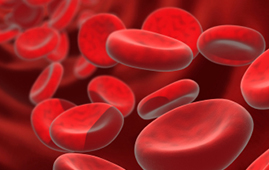
Driven by the heart, blood carries substances essential to life to every cell in the body.
Learn more
The production of red blood cells (RBCs) in the bone marrow depends on the presence in the body of essential substances such as iron, vitamin B12, and folic acid.
Learn more
In addition to iron, a deficiency in vitamin B12 (B12) is one of the causes of anemia.
Learn more
I'm sure you've heard of someone who can't eat fava beans.
Learn more
We have already seen that hemolytic anemias result from the destruction of red blood cells (RBCs) due to external causes or internal abnormalities.
Learn more
On Sunday, the following collection Points are open: