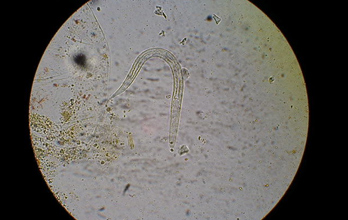
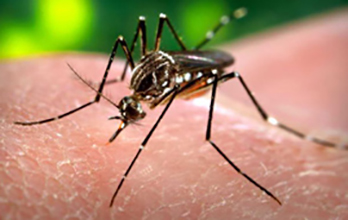
Malaria is a parasitic disease caused by the intracellular protozoan Plasmodium and is transmitted to humans through the bite of the Anopheles mosquito. There are four species of Plasmodium: vivax, falciparum, ovale, and malariae. The vivax species is the most common, and falciparum is the most severe, being fatal in certain clinical cases.
Learn moreSearch:
Article Listing:
Sexually Transmitted Infections
Sexually transmitted infections are infections spread from person to person through sexual contact. Other routes of transmission include mother-to-child transmission (during pregnancy and childbirth) and intravenous transmission.
Learn moreParasitology
As the name suggests, intestinal parasitic infections are infections of the gastrointestinal tract caused by a group of organisms known as “parasites.”
Learn moreCenter of Excellence for HPV and Cervical Cancer
Laboratory diagnosis of HPV (human papillomavirus) is one of the centers of excellence at the Germano de Sousa Center for Laboratory Medicine...
Learn moreLegionella
What is Legionella?
It is a bacterium of the genus Legionella, capable of causing a form of pneumonia known as Legionnaires’ disease. These bacteria exist in natural freshwater and warm-water ecosystems. They are often found in man-made ecological niches: building water systems, air conditioning equipment (air conditioning systems), hot water facilities, fountains, and other sources capable of forming aerosols (they grow and multiply at an optimal temperature between 35˚C and 45˚C).
Learn moreHPV and Cervical Cancer
HPV and Cervical Cancer
Learn more