





Early-Onset Alzheimer's: A Midlife Perspective
Alzheimer’s, a common neurodegenerative disease, is often associated with advanced age. However, it is crucial to recognize that symptoms of Alzheimer’s can appear as early as age 50, especially in cases of familial inheritance.
Through a deeper understanding of this condition, it becomes possible to develop effective prevention and treatment strategies to improve patients’ quality of life.
How does dementia affect this group?
This condition is the most common form of progressive dementia, affecting the largest number of people worldwide, primarily those over the age of 65. However, there are forms with a familial pattern that lead to early diagnosis of the disease and can result in symptoms of Alzheimer’s as early as age 50.
These genetic changes are characterized by the deposition and accumulation of β-amyloid and tau proteins outside neurons, which are responsible for speech and short-term memory. This results in atrophy of the cerebral cortex, leading to the loss of neurons and synapses.
Importance of the Genes Responsible for the Disease
In Portugal, genetic studies have identified several genes related to the disease, some associated with late-onset dementia and others with early-onset or familial forms. These susceptibility genes may indicate a higher risk of developing the disease.
Understanding the role of genes is essential to deepening our knowledge of Alzheimer’s disease and developing more effective prevention and treatment strategies.
Symptoms of Alzheimer’s at Age 50: Warning Signs
The greatest challenge in dealing with this disease is early diagnosis. Identifying symptoms of Alzheimer’s at age 50 is a sign that you are at higher risk of developing the disease, making it crucial to begin appropriate treatment and slow its progression.
The main symptoms are:
- Loss of recent memory;
- Difficulty performing routine tasks;
- Confusion regarding time and place;
- Language difficulties;
- Mood changes;
- Disorientation;
- Loss of ability to care for oneself;
It is essential to be aware of these symptoms and seek specialized medical help whenever necessary.
Prevention and Treatment
Although there is no surefire way to prevent dementia, certain healthy lifestyle habits can help slow the progression of the disease.
Keeping the mind active and engaging in activities that stimulate thinking and memory can strengthen neural connections and slow cognitive decline. However, there are other risk factors that increase the likelihood of developing the condition, including:
- Diabetes;
- High blood pressure;
- Obesity;
- Dyslipidemia;
- Smoking;
Before beginning any genetic testing, it is essential to recommend a preliminary genetic counseling session. This consultation allows for the collection of a complete medical history and family history in order to assess symptoms of Alzheimer’s disease at age 50 or in more advanced stages.
Early Diagnosis: Why Is It Important?
Early diagnosis is a key factor in combating dementia. Although there is no cure available, early interventions help slow the progression of symptoms and improve the quality of life for people with symptoms of Alzheimer’s disease at age 50.
In addition, a diagnosis gives family members and caregivers more time to plan and adjust to the changes that will occur over time.
Learn about the diagnostic methods used to identify this condition.
If you have any questions, please contact us.
We'll be happy to help.
CLINICAL PATHOLOGY LABORATORY

Related news:

Marcadores no diagnóstico da doença de … | 2022
Não existe um exame específico para o diagnóstico da Doença de Alzheimer.
Read more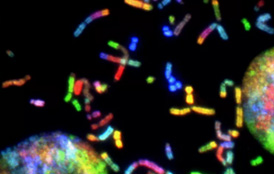
Quais os genes associados à doença de A… | 2022
As doenças genéticas e o seu carácter hereditário influenciam as decisões pessoais, os projetos de …
Read more
Alzheimer: qual a génese da doença? - S… | 2022
A doença de Alzheimer é uma doença neurodegenerativa, considerada uma das formas mais comuns de dem…
Read moreRelated articles:

Alzheimer's Disease
Alzheimer's disease is a neurodegenerative disorder considered the most common form of progressive dementia, affecting older adults. However, the diagnosis can also occur in cases of hereditary …
Read more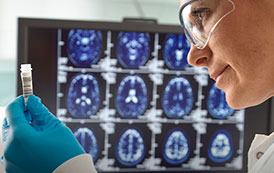
How to Diagnose Alzheimer's—a Neurodegenerative Disease
Alzheimer's disease is the most common form of progressive dementia, affecting millions of people worldwide and causing a continuous and irreversible loss of various cognitive functions, includi…
Read more