





ZIKA: GENERAL CONSIDERATIONS
It’s the mosquito’s fault…
The Zika virus is a virus of the Flaviviridae family, first identified in 1947 in Uganda, and transmitted to humans through the bite of infected mosquitoes of the Aedes species.
The first global alerts emerged in May 2015, following several cases in the Americas—particularly in Brazil—of Guillain-Barré syndrome (a rare neurological disorder) and microcephaly (abnormalities in brain and skull development) in fetuses and newborns whose mothers were possibly infected with the Zika virus during the first two trimesters of pregnancy. However, the possible cause-and-effect relationship between the infection and the occurrence of the described pathological conditions is currently the subject of intensive investigation.
In Europe, the low likelihood of Zika virus infection cases is associated with travel.
In Portugal, in 2015, four imported cases were confirmed by a reference laboratory.
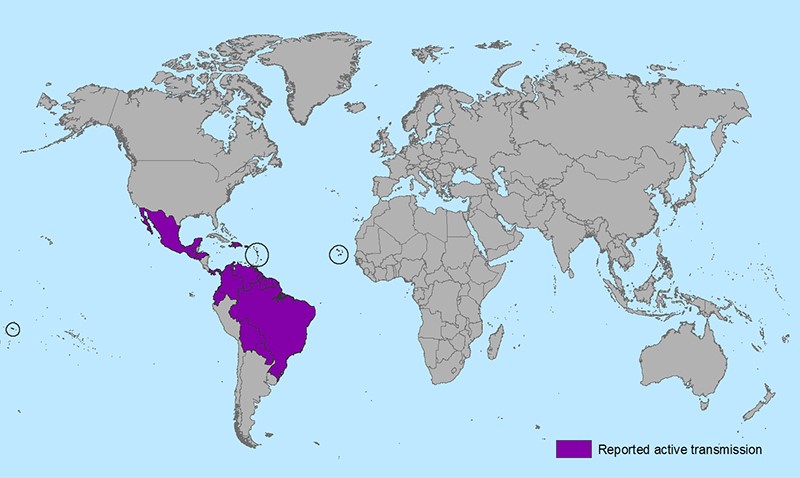
Fig. 1. Image taken from CDC-Zika Virus (countries and territories with active transmission of the virus). Updated in January 2016
The disease caused by this virus is generally mild. The most common clinical signs and symptoms are: fever, rash, joint pain, conjunctivitis, headaches, and muscle aches; less common symptoms include eye pain and gastrointestinal symptoms. Severe illness requiring hospitalization is rare.
About 80% of infected patients are asymptomatic
Laboratory Diagnosis
The diagnosis of Zika virus infection is made by detecting:
- Viral RNA in biological samples (blood and urine) from patients in the acute phase of the disease. This can be detected in the blood within the first 3–5 days after symptom onset and in urine for up to 10 days.
- Specific IgM and IgG antibodies in serum. IgM antibodies can be detected as early as the 3rd day after the onset of fever.
Prevention Measures
- There are no vaccines to prevent Zika virus infection;
- The main preventive measure is to avoid mosquito bites, either through mechanical barriers (appropriate clothing, mosquito nets, etc.) or through chemical barriers (repellents or insecticides);
- Give preference to air-conditioned locations.
ZIKA SPECIAL CONSIDERATIONS
During Pregnancy
- Pregnant women, regardless of the trimester, should consider postponing any travel to countries or territories where cases of Zika virus transmission have been reported;
- Pregnant women should be informed of the potential risks before traveling to high-risk countries (in consultation with their primary care physician or a travel medicine specialist) and follow all recommendations to prevent mosquito bites during their trip.
- Women who are trying to conceive or considering pregnancy should consult their primary care physician before traveling and follow all recommendations to prevent mosquito bites during their trip.
- Pregnant women who have been in affected areas should consult their primary care physician upon their return and mention their travel.
Is it safe to use insect repellents during pregnancy?
- The use of insect repellents is safe and effective during pregnancy and breastfeeding. However, they should be used according to medical recommendations and in accordance with the product’s specific instructions.
What is the risk that a Zika virus infection could affect future pregnancies?
The Zika virus remains in the blood of an infected person for a few days to a week. The virus does not cause infection in a child conceived after the virus is no longer present in the bloodstream. There is no evidence that Zika virus infections put future pregnancies at risk for the development of birth defects.
If you have any questions, please contact us.
We'll be happy to help.
CLINICAL PATHOLOGY LABORATORY

Related news:
O Vírus Zika Na Medicina Laboratorial | 2016
Artigo do Dr. Germano de Sousa no Sapo Lifestyle sobre o vírus ZIKA.
Read more