





What Is Diabetes and How Can It Affect Your Health?
Diabetes is one of the most common chronic conditions in the world, affecting people of all ages and lifestyles. Although it is widely known, many still underestimate its severity and the long-term health impacts it can cause. This often silent disease can lead to serious complications if not diagnosed and treated in time.
In addition to being one of the major challenges in global public health, diabetes is also closely linked to the modern lifestyle, characterized by unbalanced diets, a sedentary lifestyle, and high levels of stress. However, with advances in medicine and access to information, it is possible to manage the disease and even prevent it in many cases.
What is diabetes?
Diabetes is characterized by high levels of glucose (sugar) in the blood. This occurs because the body is unable to produce enough insulin or use it efficiently. Insulin is a hormone produced by the pancreas that helps glucose enter cells, where it is used as a source of energy. If glucose is not processed properly, it accumulates in the blood, causing a series of complications.
Diabetes is divided into three main types: type 1, type 2, and gestational diabetes. There are also pre-diabetic conditions, such as prediabetes, that warrant attention, as they indicate that glucose levels are above normal but have not yet reached the threshold for the disease.
Types of Diabetes
1. Type 1
Type 1 diabetes is an autoimmune condition in which the immune system attacks the cells in the pancreas responsible for producing insulin. Usually diagnosed in children and young adults, it is less common, accounting for about 10% of cases. People with this form of the disease need daily insulin injections to control their blood glucose levels. Although the exact cause is unknown, genetic and environmental factors are believed to play an important role.
2. Type 2
Type 2 is the most common form, accounting for approximately 90% of cases. It is associated with factors such as being overweight, a sedentary lifestyle, and genetic predisposition. In this case, the body develops insulin resistance or does not produce enough insulin, which leads to elevated blood glucose levels. The good news is that it can largely be prevented or managed through lifestyle changes.
3. Gestational
This type occurs during pregnancy, when hormones produced by the placenta interfere with the action of insulin. Although it usually disappears after childbirth, it increases the risk of developing type 2 diabetes in the future, for both the mother and the baby. For pregnant women, it is essential to receive appropriate medical care to prevent complications during pregnancy.
4. Prediabetes
Pre-diabetes occurs when blood glucose levels are elevated but not high enough to be classified as diabetes. This condition serves as a warning sign and presents an opportunity to prevent progression to type 2 diabetes. Dietary changes, regular exercise, and weight loss are essential for reversing this condition.
What are the main symptoms?
The symptoms of diabetes can vary, but the most common signs include:
- Excessive thirst (polydipsia)
- Increased urination (polyuria)
- Extreme fatigue
- Blurred vision
- Unexplained weight loss
- Frequent infections, especially of the skin and gums
- Tingling or numbness in the extremities
In cases of type 2 diabetes, symptoms can be so subtle that they go unnoticed for years, which underscores the importance of regular checkups to identify changes in blood glucose levels.
To learn about all the symptoms and understand how to recognize them, read our full article on Diabetes Symptoms.
What are the risk factors?
Several factors increase the risk of developing this condition. In the case of type 1, the factors are generally genetic and have little to do with lifestyle. For type 2, the factors include:
- Family history of the disease
- Being overweight or obese
- An unbalanced diet high in sugars and fats
- A sedentary lifestyle
- High blood pressure and high cholesterol levels
- Age over 45
- History of pregnancy complications, such as gestational diabetes
Identifying and managing these risk factors is essential to preventing the development of the disease and improving quality of life.
How can diabetes affect your health?
When uncontrolled, diabetes can cause serious and, in some cases, irreversible complications. Some of these complications include:
- Cardiovascular problems: increased risk of heart attack and stroke due to high glucose levels that damage blood vessels.
- Kidney disease: strain on the kidneys, leading to chronic kidney disease.
- Nerve damage (neuropathy): caused by damage to the peripheral nerves, it can lead to pain, tingling, or loss of sensation, especially in the extremities.
- Vision problems: Retinopathy can progress to total vision loss.
- Foot complications: Poor circulation and difficulty healing can lead to serious infections, resulting in amputations in extreme cases.
How can it be prevented?
Although type 1 diabetes cannot be prevented, there are several effective strategies to prevent the progression to more severe conditions:
- Eat a balanced diet: prioritize foods rich in fiber, vegetables, lean proteins, and healthy fats, while avoiding excessive consumption of sugars and processed foods.
- Engage in regular physical activity: Aerobic and strength training exercises help improve insulin sensitivity and maintain a healthy weight.
- Maintain a healthy weight: even a 5% reduction in body weight can significantly lower your risk.
- Monitor blood glucose regularly: especially in people with risk factors or a family history of the disease.
- Avoid excessive alcohol and tobacco use: both contribute to an increased risk of complications associated with the disease.
The Importance of Diagnosis and Follow-Up
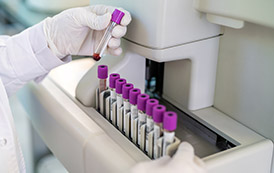
Early detection of diabetes is crucial for preventing serious complications. To this end, tests such as the fasting blood glucose test, the oral glucose tolerance test, and the hemoglobin A1C test are widely used. These tests help monitor glucose levels and provide an accurate diagnosis.
Germano de Sousa offers a network of specialized testing centers staffed by qualified professionals who ensure a quick and reliable diagnosis. In addition, they provide ongoing care to help patients manage their diabetes and improve their quality of life.
If you’re wondering how to confirm your condition, check out our article on “How Do I Know If I Have Diabetes?”
Take care of your health: diabetes doesn’t have to be an obstacle
Diabetes is a serious condition, but with the right care, it’s possible to live well and enjoy a good quality of life. Learning about the types of diabetes, recognizing the symptoms, and adopting healthy habits are essential steps. If you have questions or risk factors, consult a specialist for a detailed evaluation.
Take care of your health and stay informed. Germano de Sousa is here to support you through every stage of diagnosis and management of this condition.
If you have any questions, please contact us.
We'll be happy to help.
CLINICAL PATHOLOGY LABORATORY

Related news:

Teste MyPharmaGenes personaliza prescri… | 2020
O Grupo Germano de Sousa, em parceria com a HeartGenetics, disponibiliza o MyPharmaGenes PGx, um te…
Read moreRelated articles:

How Do I Know If I Have Diabetes? Learn the Right Steps to Take
Realizing that you may be dealing with a health issue such as diabetes can be challenging, especially since the symptoms aren't always clear or immediate.
Read more
Symptoms of Diabetes: How to Recognize the Early Signs?
The symptoms of diabetes may develop gradually or, in some cases, appear suddenly.
Read more