





Hepatitis A. Learn more about the recent outbreak of acute hepatitis in Portugal and Europe. What is this virus that’s been causing such a stir...
See more information on this topic below...
Table of Contents
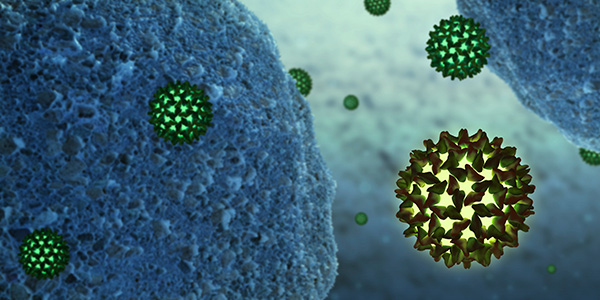
What is Hepatitis A?
Hepatitis A is an infection caused by the hepatitis A virus (HAV), which enters the body through the digestive tract and multiplies in the liver, causing inflammation of this organ known as hepatitis A. The virus was discovered in 1975; however, outbreaks of the disease—then known as “infectious jaundice”—had already been recorded in ancient times. Epidemics of this virus were common during periods of war and natural disasters.
Hepatitis A is transmitted from person to person when food or water is contaminated with feces containing the virus; this is why it is more common in less developed countries, due to poor sanitation.
In Western countries, with improved hygiene conditions, exposure may be associated with sporadic outbreaks that have little social impact and in which the disease resolves quickly, without requiring hospitalization or specific treatment.
Sexual transmission is less common and is associated with unprotected oral-anal or anal sex.
This disease is rarely fatal, although in immunocompromised adults or those with chronic liver disease—caused by another virus or excessive alcohol consumption—HAV infection can lead to liver failure, known as fulminant hepatitis.
The Virus
The Hepatitis A virus is a small virus belonging to the picornavirus family, and its genome consists of a single-stranded RNA molecule. It is found worldwide, especially in places where hygiene conditions are poor.
The incubation period (the time during which no symptoms are present) is longer in children than in adults, lasting an average of 28–30 days, ranging from 15 to 50 days.
It spreads through direct or indirect contact with contaminated fecal matter, and infected individuals shed viral particles in their stool two to three weeks before symptoms appear and during the first eight days of symptomatic illness.
Most patients recover within three weeks, with no lasting effects and with lifelong protective immunity.
What are the symptoms?
Nausea, fever, loss of appetite, fatigue, diarrhea, and yellowing of the skin and whites of the eyes (jaundice) are the most common symptoms and may last for up to a month. Initially, the illness may be mistaken for the flu, but with the appearance of yellowing of the skin and the whites of the eyes, the whitish appearance of the stool (acholia), and the darkening of the urine to a port wine color (choluria) allow the diagnosis to be directed toward acute hepatitis.
Symptoms vary depending on the age at which a person is exposed to the HAV. Only five to ten percent of children experience symptoms; in the elderly and immunocompromised individuals, the disease can be more severe. In 90 percent of cases, acute hepatitis A is asymptomatic. How is the laboratory diagnosis made?
It is based on the detection, through blood tests, of IgM-type anti-HAV antibodies, which are produced by the immune system to fight the virus shortly after the first symptoms of the disease appear. These antibodies remain in the body for three to six months and disappear once the patient recovers, giving way to IgG-type anti-HAV antibodies; their appearance indicates that the body has been infected and has mounted a response, thereby protecting itself against reinfection with the hepatitis A virus.
Before the serological test used to diagnose the type of hepatitis, blood tests are performed to evaluate liver function markers, such as transaminases and bilirubin. In cases of acute hepatitis A, transaminase levels are very high, and bilirubin levels in the blood are also elevated.
What are the main modes of transmission?
In nearly half of all hepatitis cases caused by the HAV, the source of infection cannot be identified, but this disease is generally transmitted through the ingestion of food or water contaminated with fecal matter containing the virus (fecal-oral route), especially while traveling, or through person-to-person contact.
Seafood, for example, can pose a risk if it comes from a farm contaminated by sewage, since oysters, mussels, and clams concentrate the virus present in their habitat, thereby transmitting this form of hepatitis.
Fruits, vegetables, salads, or other raw foods, if handled by an infected person or washed with water unfit for consumption, can become contaminated and, consequently, infect those who eat them.
The transmission rate among members of the same household is 20 percent among adults and 45 percent among children.
Transmission through sexual contact has been described as rare and associated with outbreaks among men who have sex with men (MSM). Some of the cases reported in this outbreak are associated with this group, in which the main risk factor is sexual behavior that facilitates fecal-oral transmission when one of the partners is infected.
During pregnancy, the fetus is not at risk if the mother is infected with HAV.
How can it be prevented?
On an individual level, maintain basic hygiene habits; on a community level, continue to focus on improving sanitation and education.
If an infection is suspected, wash your hands thoroughly after using the bathroom and changing diapers, and before cooking or eating, and avoid drinking water or ice from questionable sources.
When the risk is high—for example, when traveling to countries in Asia, Africa, or Central and South America—prevention becomes even more important: drink bottled water, eat only cooked foods, as raw foods may be contaminated—especially in countries where the disease is endemic—peel your own fruit, for example, or opt only for packaged products, and avoid seafood, since its origin can be difficult to determine and steaming does not neutralize the virus.
Contact with infected people is also a risk factor, obviously, so in these cases, it is necessary to take extra precautions during the infectious period and wash dishes at high temperatures (preferably in the dishwasher), avoid sharing the same toilet, be cautious about sexual contact—avoiding oral-anal sex and using a condom in the event of anal penetration.
It is advisable for family members or sexual partners of an infected person to undergo testing to determine whether or not they have antibodies.
In cases where these antibodies are not detected, contacts should be treated with immunoglobulin injections, which provide rapid protection (in less than a week), although this protection lasts only three to six months. Vaccination is recommended as a preventive measure; however, the immunization process takes time (about one month), but it is more effective than immunoglobulin.
What is the vaccination schedule?
The hepatitis A vaccine is derived from the inactivated virus and is highly effective (nearly 100 percent). Side effects are rare, and if they do occur, they are mild and related to the injection itself—namely, pain, redness, and swelling at the injection site. In some cases, flu-like symptoms (fever, headache, chills, muscle and joint aches) may occur, but they are usually short-lived.
The Hepatitis A vaccine is administered intramuscularly in two doses, spaced 6–18 months apart, and its effectiveness is very high (95%) and long-lasting.
What Is the Treatment?
There are no specific medications to treat this disease. This type of hepatitis is primarily treated with rest during the acute phase until liver function test results return to normal; most people make a full recovery within five weeks.
Who Is at Risk?
People who are not immune through vaccination or natural infection are at greater risk of contracting HAV if they:
- Travel to countries where the disease is endemic (Asia, Africa, Central and South America)
- Consume contaminated food or water
- Men who have sex with men (MSM) who engage in one or more of the following behaviors:
- Anal sex (with or without a condom)
- Oral-anal sex
- Anonymous sex with multiple partners
- Injecting and non-injecting drug users
- People with chronic liver disease (HCV, HBV)
- Doctors and paramedics working in hospitals
- People who work in waste collection and processing and in the sewer system
Bibliography
- DGS Guideline No. 004/2017 of March 29, 2017, Hepatitis A.
- European Centre for Disease Prevention and Control. Hepatitis A outbreaks in the EU/EEA mostly affecting men who have sex with men – first update, February 23, 2017, Stockholm. ECDC:2017.
If you have any questions, please contact us.
We'll be happy to help.
CLINICAL PATHOLOGY LABORATORY

Related news:

Surto de hepatite A em Portugal: que ví… | 2024
O vírus da Hepatite A (VHA) é um vírus da família dos picornavírus e o seu genoma é constituído por…
Read more
Hepatite A. Que vírus é este? | 2017
Artigo do Prof. Germano de Sousa no sapo lifestyle na rúbrica Saúde e Medicina, sobre o vírus da He…
Read more
Rastreio da hepatite B no período gesta… | 2016
Artigo da Profª Doutora Maria José de Sousa no Sapo Lifestyle sobre o Rastreio da hepatite B no per…
Read more
Primeiro trimestre de gestação: serolog… | 2016
Artigo da Profª Doutora Maria José de Sousa no Sapo Lifestyle sobre o Primeiro trimestre de gestaçã…
Read moreRelated articles:

Acute Hepatitis Diagnosis: Get Tested with Confidence
Acute hepatitis is an inflammation of the liver that can have various causes, including viral infections, medications, alcohol, and other substances.
Read more

Severe Acute Hepatitis
On April 5, 2022, an increase in cases of acute hepatitis of unknown cause was reported in the United Kingdom among previously healthy children up to 16 years of age.
Read more
What Is Acute Hepatitis and How Can It Affect Your Health?
Acute hepatitis is an inflammation of the liver that can have various causes and present with a wide range of symptoms. Some people have only mild symptoms or no symptoms at all; others may develop a…
Read more