





What Is Hypothyroidism and How Can It Affect Your Health
Hypothyroidism is a condition in which the thyroid gland does not produce enough hormones for the body to function properly, which can affect metabolism, energy levels, and various vital functions.
When left undiagnosed, it can cause symptoms that impact daily life and quality of life.
Understanding what hypothyroidism is is essential for recognizing early signs and knowing when it’s important to seek medical evaluation. This condition is relatively common and can be managed with proper care.
What is hypothyroidism?
Hypothyroidism occurs when the thyroid gland, located at the base of the neck, produces an insufficient amount of thyroid hormones.
These hormones are responsible for regulating important bodily functions, such as:
- Metabolism
- Body temperature
- Heart rate
- Energy levels
When hormone production decreases, the body tends to function more slowly, which can lead to various symptoms.
How does the thyroid work, and what is its role?
The thyroid plays an essential role in regulating the body through the hormones T3 (triiodothyronine) and T4 (thyroxine).
These hormones influence:
- Energy expenditure
- The functioning of the nervous system
- Hormonal balance
- Cardiovascular health
When hypothyroidism is present, this regulation is compromised, affecting various systems in the body.
What are the causes of hypothyroidism?
Hypothyroidism can have several causes, some of which are more common than others.
The main ones include:
- Autoimmune diseases, such as Hashimoto’s thyroiditis
- Previous thyroid treatments
- Iodine deficiency
- Congenital abnormalities
- Certain medications
Identifying the cause is important for guiding appropriate medical management.
What symptoms may indicate hypothyroidism?
Symptoms may develop gradually and are often mistaken for signs of fatigue or stress.
Among the most common are:
- Constant fatigue
- Weight gain for no apparent reason
- Dry skin
- Sensitivity to cold
- Hair loss
- Difficulty concentrating
For a detailed look at all the signs, see the article “Symptoms of Hypothyroidism: How to Identify the Signs.”
Can hypothyroidism affect long-term health?
Yes, if left untreated, hypothyroidism can have an impact on various aspects of your health.
Some of the possible effects include:
- Changes in metabolism
- Elevated cholesterol
- Cardiovascular problems
- Cognitive difficulties
- Changes in the menstrual cycle
Therefore, understanding what hypothyroidism is and taking early action can make a difference in preventing complications.
Who is at higher risk of developing hypothyroidism?
Hypothyroidism can affect anyone, but certain groups are more prone to it.
Risk factors include:
- Female gender
- Age over 60
- Family history of thyroid disease
- Autoimmune diseases
- Pregnancy or the postpartum period
These factors do not guarantee the development of the condition, but they increase the likelihood.
How is thyroid function evaluated?
Thyroid function is assessed through clinical examinations and laboratory tests.
The main tests include:
- TSH (thyroid-stimulating hormone) test
- Free T3 and free T4 levels
- Other hormonal parameters
These tests help identify changes in thyroid function and support the diagnosis.
When should I seek medical evaluation?
It is important to seek medical evaluation when there are persistent symptoms or changes in your general well-being.
You should consider this possibility when:
- You experience constant fatigue with no apparent cause
- There are unexplained weight changes
- Symptoms appear that affect your daily routine
- There is a family history of thyroid problems
In these cases, testing can help clarify the clinical situation.
How is hypothyroidism managed?
The management of hypothyroidism depends on the cause and severity of the condition.
It may include:
- Regular monitoring through blood tests
- Ongoing medical follow-up
- Adjustment of treatment when necessary
To better understand the available options, you can read the article “Treatment of Hypothyroidism: Options and How It Works.”
Frequently Asked Questions About Hypothyroidism
What is hypothyroidism?
Hypothyroidism is a condition in which the thyroid gland does not produce enough hormones, affecting the body’s functioning.
Is there a cure for hypothyroidism?
Hypothyroidism can be managed with medical care, although in most cases it is a chronic condition.
Does hypothyroidism cause weight gain?
It can contribute to weight gain due to a slowed metabolism.
How do I know if I have hypothyroidism?
Through a medical evaluation and specific hormone tests.
Is hypothyroidism common?
Yes, it’s a relatively common condition, especially in women.
Understanding what hypothyroidism is is the first step
Knowing what hypothyroidism is allows you to recognize the signs, understand its impact on your health, and know when it’s important to seek medical evaluation.
If you have any questions or persistent symptoms, undergoing tests and clinical evaluations can help with diagnosis and medical guidance. Find the collection point nearest you.
If you have any questions, please contact us.
We'll be happy to help.
CLINICAL PATHOLOGY LABORATORY

Related articles:

Symptoms of Hypothyroidism: How to Recognize the Signs
Symptoms of hypothyroidism include fatigue, weight gain, sensitivity to cold, and changes in the skin or hair.
These signs may develop gradually and are often mistaken for everyday fatigue or stre…
Read more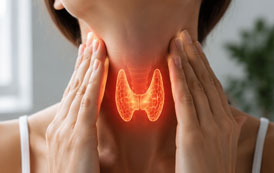
Treatment of Hypothyroidism: Options and How It Works
In most cases, the treatment for hypothyroidism involves replacing thyroid hormones with medication, which helps restore the body's balance.
Read more