





Symptoms of Hypothyroidism: How to Recognize the Signs
Symptoms of hypothyroidism include fatigue, weight gain, sensitivity to cold, and changes in the skin or hair.
These signs may develop gradually and are often mistaken for everyday fatigue or stress.
Recognizing the symptoms of hypothyroidism is essential. The sooner these signs are identified, the sooner a proper evaluation can be conducted.
What are the most common symptoms of hypothyroidism?
The symptoms of hypothyroidism can vary from person to person, but there are some more common symptoms associated with decreased thyroid function.
Among the most common are:
- Constant fatigue
- Weight gain for no apparent reason
- Sensitivity to cold
- Dry skin
- Hair loss
- Difficulty concentrating
These symptoms may develop gradually, making it harder to link them to a specific condition.
Why do the symptoms appear gradually?
Hypothyroidism affects metabolism, causing the body to function more slowly.
As a result, the symptoms of hypothyroidism tend to appear gradually and may be mistaken for aging, stress, or lack of rest. This gradual progression is one of the main reasons why the condition can go unnoticed for some time.
To better understand this condition, you can read the article “What Is Hypothyroidism and How Can It Affect Your Health.”
Physical Symptoms of Hypothyroidism
Physical signs are the first to appear when there is a change in thyroid function.
Signs of hypothyroidism include:
- Persistent fatigue
- Swelling in the face
- Brittle nails
- Hoarse voice
- Slow heart rate
Emotional and cognitive symptoms
In addition to these signs, hypothyroidism can also affect emotional and mental well-being.
Some symptoms include:
- Difficulty concentrating
- Feeling mentally sluggish
- Mood swings
- Lack of motivation
These signs can easily be mistaken for emotional factors, which can delay identification of the cause.
When might these symptoms indicate a problem?
Not all individual signs indicate the presence of hypothyroidism, but a combination of several symptoms should be considered.
You should pay attention when symptoms of hypothyroidism:
- Persist over time
- Interfere with your daily routine
- Appear for no apparent reason
- Do not improve with rest
In these cases, it may be important to seek medical evaluation.
Who should be most vigilant for these symptoms?
Some people are more likely to develop hypothyroidism, which makes it important to watch for the signs.
High-risk groups include:
- Women
- People with a family history of thyroid disease
- People with autoimmune diseases
- People over 60
Being aware of the symptoms of hypothyroidism can help with early detection of potential changes.
How can you tell the difference between common symptoms and warning signs?
Many of the symptoms of hypothyroidism are nonspecific, which can make them difficult to identify.
Some warning signs include:
- Progressive worsening of symptoms
- Significant impact on quality of life
- Constant need for rest
- Persistent physical changes
These indicators may warrant further investigation.
What tests can help confirm the symptoms?
When there is cause for suspicion, the doctor may recommend tests to evaluate thyroid function.
The main ones include:
- TSH test
- Free T3 and free T4 levels
- Other hormonal parameters
To better understand this process, you can read the article “Treatment of Hypothyroidism: Options and How It Works.”
Frequently Asked Questions About Hypothyroidism Symptoms
What are the early symptoms of hypothyroidism?
The early symptoms of hypothyroidism include fatigue, sensitivity to cold, and difficulty concentrating.
Does hypothyroidism cause constant fatigue?
Yes, persistent tiredness is one of the most common symptoms of hypothyroidism.
Can hypothyroidism be mistaken for stress?
Yes, many of the symptoms of hypothyroidism can be mistaken for stress or fatigue.
When should I suspect hypothyroidism?
You should consider this possibility when there are persistent symptoms with no apparent cause.
Do the symptoms appear suddenly?
No, the symptoms of hypothyroidism usually develop gradually.
Recognizing the signs makes all the difference
The symptoms of hypothyroidism can be subtle, but recognizing the signs and realizing when they are no longer considered normal is essential for seeking medical advice.
If you have any concerns or persistent symptoms, undergoing tests and clinical evaluations can help with diagnosis and medical guidance. Find the collection point nearest you.
If you have any questions, please contact us.
We'll be happy to help.
CLINICAL PATHOLOGY LABORATORY

Related articles:
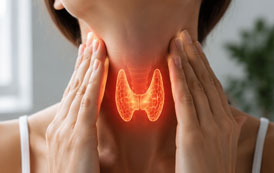
Treatment of Hypothyroidism: Options and How It Works
In most cases, the treatment for hypothyroidism involves replacing thyroid hormones with medication, which helps restore the body's balance.
Read more
What Is Hypothyroidism and How Can It Affect Your Health?
Hypothyroidism is a condition in which the thyroid gland does not produce enough hormones for the body to function properly, which can affect metabolism, energy levels, and various vital functions.
Read more