





Key Guidelines from the General Directorate of Health
What are the symptoms of Influenza A?
Sudden onset of fever (above 38°C), cough, sore throat, muscle aches, headaches, chills, fatigue, diarrhea, or vomiting (although not typical of seasonal flu, these symptoms have been observed in some cases of infection with the Influenza A (H1N1) virus).
What should you do if you have symptoms of Influenza A?
- If you get sick, stay home. If you have flu-like symptoms, stay home and contact the Linha Saúde 24 hotline at 808 24 24 24.
- If you cough or sneeze, cover your mouth and nose with a tissue
- Cover your mouth and nose with a tissue or your forearm, but never with your hand! Immediately throw the used tissue in the trash.
- Wash your hands frequently with soap and water! Alternatively, you can use alcohol-based wipes.
- Avoid unnecessary contact with people who have the flu.
How can we prevent the illness?
- Some basic hygiene measures can be taken, such as washing your hands frequently with soap and water, avoiding touching your eyes, your mouth, and your nose after touching surfaces, not sharing personal items, and covering your mouth and nose with a disposable tissue when coughing or sneezing—which should be discarded immediately.
- Maintain a distance of at least 1 meter when speaking with others.
- Avoid greeting others with hugs, kisses, or handshakes.
- Frequently clean surfaces or objects that are frequently touched using your usual cleaning products.
- Avoid visiting enclosed, poorly ventilated public spaces.
- These measures are also very important for children.

Should we wear protective masks?
Masks, even when used properly, only prevent the spread of infection to others; they do not prevent you from becoming infected yourself.
What is the difference between the common cold and Influenza A/H1N1?
They are caused by different subtypes of the influenza virus. The symptoms are very similar and can be confused. It is important to note that, with the common cold, most cases present mild symptoms and nearly 100% recover. This is also true for Influenza A.
This material is the responsibility of the Dr. Germano de Sousa Center for Laboratory Medicine. It is provided for informational purposes only. It should not be used for self-diagnosis or self-medication.
If you have any questions, call the Linha Saúde 24 hotline at 800 24 24 24.
Laboratory Diagnosis of the H1N1 Virus
Influenza viruses are RNA viruses of the Orthomyxoviridae family; they vary greatly from one another and evolve rapidly. These viruses affect the respiratory epithelium. Because they damage the body’s defense mechanisms, they can lead to secondary bacterial infections, such as pneumonia, which are the leading causes of death from the H1N1 virus. The 2009 Influenza A pandemic originated from a new variant of the swine flu virus (H1N1 subtype).
It is the significant antigenic variations undergone by the Influenza A virus that are responsible for severe influenza outbreaks, resulting in epidemics or pandemics. This situation has occurred every 10–15 years since 1918.
Laboratory testing for the presence of the Influenza A/H1N1 virus as the causative agent of influenza A is of the utmost importance, as it allows, on the one hand, for the timely administration of antiviral treatment when necessary, and, on the other hand, enables the implementation of more effective measures to contain the spread of infection in cases identified as H1N1, and thereby enabling an earlier return to work and social life for all cases not identified as H1N1, reducing contagiousness even more than an epidemiological count would allow.
The onset of an acute respiratory infection or flu-like symptoms, accompanied by fever, does not in itself reveal its etiology. High fever may be present in more than 90% of individuals infected with the influenza virus, as well as in adult patients infected with parainfluenza virus, rhinovirus, adenovirus, coronavirus, enterovirus, respiratory syncytial virus (RSV), and metapneumovirus.
Of adult patients with clinical symptoms suggestive of the flu or acute upper respiratory tract infection, only one-third are infected with the influenza virus. The remaining patients may be infected with other respiratory viruses, particularly rhinovirus, which accounts for about 20% of cases.
Approximately 80% of respiratory infections in children are caused by RSV.
Given the current pandemic situation and the current availability of antiviral agents, the causative agent behind flu-like symptoms must be identified in order to initiate antiviral therapy in at-risk groups such as children, the elderly, immunosuppressed individuals, and healthcare workers.
Early identification and treatment can prevent the unnecessary use of antibiotics and reduce hospitalizations resulting from complications of the infection.
Laboratory Diagnosis of the H1N1 Virus
In our laboratory, we can perform laboratory testing on individuals with suspected Influenza A/H1N1 infection, as well as differential diagnosis with 17 other viral agents causing respiratory infections:
- Influenza A / H1N1 Virus
- Influenza A, B, and C viruses
- Parainfluenza viruses 1, 2, 3, 4a, and 4b
- Rhinovirus
- Adenovirus
- Coronavirus
- Echovirus
- Bocavirus
- Respiratory syncytial virus A and B (RSV)
- Metapneumoviruses A and B
The test performed in our laboratory allows us not only to detect but also to characterize the possible presence of the Influenza A/H1N1 virus, as well as the other 17 most common types of human viruses that cause respiratory infections, in various types of clinical samples.
Viral detection is performed by RT-PCR (reverse transcription PCR), with amplification of a specific 120–330 bp fragment of the viral genome. Visualization of the amplified product is made possible by a new technological platform based on low-density arrays: CLART® (Clinical Array Technology).
RT-PCR testing provides results in just 24 hours, making it possible to rule out patients who have not been infected with the new virus.
The RT-PCR test, based on the amplification of specific fragments of the viral genome in a highly conserved region and subsequent detection by hybridization with specific probes, exhibits high specificity and high sensitivity, as it allows for detection from minimal amounts of viral genomic material.
Sample collection:
- 2 nasal swabs (left and right)
- 1 swab of oropharyngeal secretions
If you have any questions, please contact us.
We'll be happy to help.
CLINICAL PATHOLOGY LABORATORY

Related articles:

Influenza A Test: Why Is Diagnosis Important?
The Influenza A test, specifically for the Influenza A/H1N1 virus, is a crucial diagnostic tool for detecting the presence of the virus in the body.
Read more
Influenza A: Symptoms and How to Relieve Them
The Influenza A virus enters the respiratory tract (through the mouth or nose) via airborne droplets—when an infected person coughs, sneezes, or speaks.
Read more
Influenza B: What Is It, and How Does It Differ from Other Strains?
The flu is a respiratory illness that affects millions of people every year and is caused by the influenza virus. Although it is often considered a common illness, its different strains have characte…
Read more
Symptoms of the Flu B: Learn to Recognize the Signs
The symptoms of influenza B can be difficult to distinguish from those of other common respiratory infections, but recognizing the signs early is essential to preventing complications and protecting …
Read more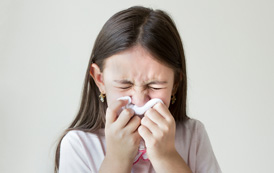
What Is Influenza A: Transmission, Prevention, and Treatment
Influenza A, caused by the influenza A virus, is a respiratory disease that has been a cause for concern among healthcare professionals and the general public due to its potential for transmission an…
Read more