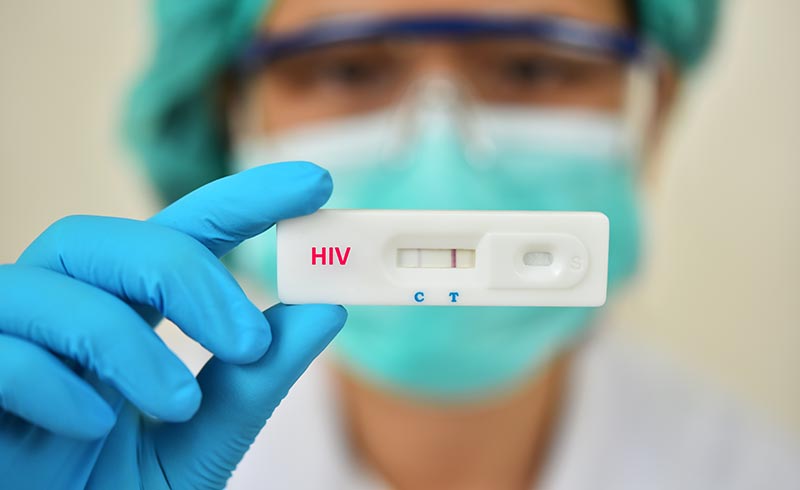
Sexually transmitted infections (STIs) remain one of the most important public health issues. Despite advances in medicine and access to information, many questions remain—ranging from what an STI is to how to identify them and when to get tested.
Learn moreSearch:
Article Listing:
STD Symptoms: How to Recognize Them and When to Take Action
Sexually transmitted diseases (STDs) affect thousands of people every year, and many of them find out too late. Why? In most cases, the symptoms of STDs go unnoticed or are mistaken for other, less serious conditions.
Learn moreSTD Testing: Get Tested with Confidence and Discretion
When it comes to sexual health, information and prevention go hand in hand. However, even with all the precautions, it’s natural for questions to arise or for situations to occur that warrant getting tested for STDs.
Learn moreCenter of Excellence for HPV and Cervical Cancer
Laboratory diagnosis of HPV (human papillomavirus) is one of the centers of excellence at the Germano de Sousa Center for Laboratory Medicine...
Learn moreQuestions and Answers About Human Papillomavirus Pathology
The human papillomavirus (HPV) is a virus that infects keratinocytes in the skin or mucous membranes and has more than 200 different serotypes. Most subtypes are associated with benign lesions, but certain types are frequently found in specific neoplasms.
Learn moreHPV Symptoms – What You Need to Know
The human papillomavirus, or HPV, is the most common sexually transmitted infection (STI). It is estimated that 50 to 80 percent of sexually active people will come into contact with the virus at some point in their lives.
Learn moreHPV and Cervical Cancer
HPV and Cervical Cancer
Learn moreHPV-positive—what does that mean?
Do you think you might have an HPV infection? It's normal to feel worried and unsure about what that means.
Learn more