





PCR Test
Antigen Test
Antibody Test
Planning to Travel?
ABOUT COVID-19
COVID-19 is the official name, assigned by the World Health Organization, for the disease caused by the novel coronavirus, which can lead to severe respiratory infections such as pneumonia. This disease is caused by the SARS-CoV-2 virus, formerly known as 2019-nCoV, which was first identified in humans in December 2019 in the Chinese city of Wuhan.
The Germano de Sousa Laboratory Group has a medical, technical, and scientific duty and responsibility to provide those who place their trust in us with high-quality knowledge and responses, as well as professional expertise in the field of healthcare.
The Germano de Sousa Group and its Clinical Management announce that, in accordance with the law, it complies with and applies all directives from the Directorate-General for Health (DGS) regarding the monitoring, prevention, and control of infection by the novel coronavirus-2019 (SARS-CoV-2).
According to the National Health Service (SNS)/National Institute of Health (INSA), the Germano de Sousa Group is authorized to perform COVID-19 testing and is part of the Network of Laboratories for the Laboratory Diagnosis of COVID-19. View the certificates for SARS-CoV-2 laboratory diagnosis here
Not all infected people require hospitalization.
People with COVID-19 who stay at home should self-isolate.
The most common symptoms associated with COVID-19 infection are:
- Fever (temperature ≥ 38.0°C) with no other identifiable cause
- A new cough, or a worsening of the usual cough, or a cough associated with headaches or generalized body aches
- Shortness of breath/dyspnea, with no other identifiable cause
- Sudden onset of total or partial loss of smell (anosmia), diminished sense of taste (ageusia), or altered or diminished sense of taste (dysgeusia)
In more severe cases, it can lead to severe pneumonia with acute respiratory failure, kidney failure, and failure of other organs, and eventually death.
JULY 2020 REPORT
In recent months, we have witnessed the global spread of the SARS-CoV-2 virus, which causes COVID-19. The virus has infected 14,739,450 people and has been responsible for 610,776 deaths worldwide (Johns Hopkins University). In Portugal, 48,898 people have been infected, and the virus has caused 1,697 deaths. There are currently 439 people hospitalized, 62 of whom are in intensive care, and 33,769 people have recovered (Directorate-General for Health)*.
*Data as of July 21, 2020
To detect the SARS-CoV-2 virus, which causes COVID-19, the real-time PCR (RT-PCR) method is used, as recommended by the Directorate-General for Health (DGS). This method detects the virus’s genetic material. If the presence or absence of the virus’s genetic material is detected, we can determine whether or not the person is infected with the SARS-CoV-2 virus (COVID-19). [Ref. DGS Standard No. 019/2020, October 26, 2020, updated November 6, 2020]
All individuals with symptoms of COVID-19 and/or who have been in contact with confirmed cases of COVID-19. [Ref. DGS Regulation No. 019/2020, October 26, 2020, updated November 6, 2020]
The test determines whether or not an active infection is present—that is, whether or not the person is infected with the SARS-CoV-2 virus. In this way, it helps identify people who may spread the virus to others and, thus, enables the implementation of isolation and protective measures to contain COVID-19. [Ref. DGS Regulation No. 020/2020, November 9, 2020, Definition of a Confirmed Case / Joint Information Circular No. 003/CD/100.20.200]
For the diagnosis of COVID-19, this is the reference method recommended by the Directorate-General for Health (DGS).
There are also other serological tests, such as the measurement of anti-SARS-CoV-2 IgA (which may detect the virus earlier) and the measurement of total antibodies (IgM + IgG), a qualitative test that only indicates a positive or negative result and can be used as a screening test.
A doctor’s referral is recommended to take this test. [Ref. Joint Informative Circular No. 003/CD/100.20.200, Integration with patients’ medical history and their epidemiological context]
The test is performed by inserting a sterile swab (long cotton swab) into the nose; this biological material is called nasopharyngeal secretion. In addition to nasopharyngeal exudate, sputum samples, nasopharyngeal aspirates, and bronchoalveolar lavage fluid can also be analyzed; the latter is a biological sample collected in a hospital setting.
The samples are then transported to the Germano de Sousa Group’s Molecular Pathology laboratory for SARS-CoV-2 detection as quickly as possible.
It means there is an active infection with the SARS-CoV-2 virus, the agent responsible for COVID-19.
The results will be communicated to the prescribing physician and the Directorate-General for Health (DGS) via the SINAVELab platform. At the same time, the result will be sent to your email address. You must self-isolate and wait to be contacted by the Health Officer. [Ref. DGS Regulation No. 019/2020, Oct. 26, 2020, updated Nov. 6, 2020 / DGS Information No. 014/2020, Nov. 6, 2020]
Yes, there are asymptomatic carriers of the virus in the nasopharynx who can transmit it without showing any symptoms of COVID-19. [Ref. DGS Guideline No. 020/2020, November 9, 2020, Definition of a Confirmed Case / Joint Information Circular No. 003/CD/100.20.200]
After 14 days, you may retake the swab test (RT-PCR). If the result is negative, you may consider yourself free of active SARS-CoV-2 infection. If the result is positive, you should repeat the test every 48 hours until it is negative. [Ref. DGS Standard No. 004/2020, March 23, 2020, updated April 25, 2020 *
*As of today, there is no need to perform a laboratory test for SARS-CoV-2 to determine clinical discharge and the end of isolation measures (the point at which the person is no longer considered infectious) [Ref. DGS Guideline No. 004/2020, March 23, 2020, updated October 14, 2020, current as of January 5, 2022]
Current knowledge does not allow us to categorically state that you cannot, but it is highly likely that you will not be reinfected with SARS-CoV-2, at least for as long as circulating antibodies are present.
You will receive your test results within 48 to 72 hours.
The result will be sent to your email address and simultaneously to the SINAVELab platform of the Directorate-General for Health (DGS).
No appointment is necessary; simply visit one of our COVID-19 testing centers.
All results are issued in Portuguese, English, French, and German.
Negative Result:
Positive Result:
The test is performed via a blood draw and is used to determine whether you have had contact with the SARS-CoV-2 virus and whether you have developed antibodies. This test also tells us the level of antibodies the patient has.
Serological testing is of enormous importance and is crucial for identifying and characterizing the potential immune status of individuals who have been infected with the SARS-CoV-2 virus (COVID-19).
If we are immune, there is a lower likelihood of transmitting the disease to our family and friends. It is believed that we may have some “protective immunity” for 3 to 6 months.
It is performed through a quick and simple blood collection at any Germano de Sousa Group collection point, with no appointment necessary.
The serological test detects antibodies of the IgM and IgG classes.
IgM antibodies are detectable, in most cases, between the 7th and 10th day, although in more severe cases they may appear between the 3rd and 5th day after the onset of symptoms; IgG antibodies are detectable between the 10th and 20th day after the onset of symptoms.
If anti-SARS-CoV-2 IgG antibodies are undetectable 20 days after the onset of symptoms (or 23–25 days after the onset of infection), SARS-CoV-2 infection can be ruled out (COVID-19).
The “reliability” of the tests is measured by what are known as clinical “sensitivity” and “specificity.”
The clinical sensitivity of the IgM and IgG serological tests, when used in combination, is 98.5%, and the clinical specificity is 98.7%.
Yes, it is possible to be a carrier of the virus and for antibodies to appear later. IgM antibodies are detectable, in most cases, between the 7th and 10th day, although in more severe cases they may appear between the 3rd and 5th day after the onset of symptoms.
Research suggests there may be a correlation between high levels of IgG antibodies and a lower likelihood of infection when exposed to the SARS-CoV-2 virus.
Current scientific evidence does not yet allow us to state that a high titer of anti-SARS-CoV-2 IgG antibodies guarantees effective or long-lasting immunity. We know from similar viruses that immunity typically lasts 3 to 6 months.
No doctor’s prescription is required; the test can be performed at any of the Germano de Sousa Group’s collection points.
You will receive your test results within 3 business days.
The results can be picked up at the collection point where you had your blood drawn or sent to your email address.
Yes. There is the COVID diagnostic test (RT-PCR). The COVID diagnostic test (RT-PCR) is performed using a swab to diagnose SARS-CoV-2 infection (COVID-19).
There are also other serological tests, including the anti-SARS-CoV-2 IgA test (which may detect infection earlier) and the total antibody (IgM+IgG) test—a qualitative test that only indicates a positive or negative result and can be used as a screening test.
COVID-19 PCR DIAGNOSTIC TEST
This is the gold standard method for diagnosing SARS-CoV-2 infection.
The method used to detect the virus is PCR (Polymerase Chain Reaction), due to its high sensitivity and specificity in simultaneously identifying various viral genes.
The Germano de Sousa Group conducts testing at various locations throughout the country in coordination with health authorities to assist in nationwide population screening.
In addition, we have been responding to requests from other entities considered a priority in the current context, such as public hospitals, nursing homes, and other healthcare facilities.
All samples are subsequently transported to the Germano de Sousa Group’s molecular pathology laboratory for SARS-CoV-2 detection as quickly as possible.
WHO IS ELIGIBLE
Anyone with symptoms of COVID-19 and/or who has been in contact with confirmed cases of COVID-19.
Respiratory Tract Samples
For the laboratory diagnosis of SARS-CoV-2, the collection of biological specimens from the respiratory tract (upper and/or lower, depending on the clinical context) is recommended in accordance with Guideline 015/2020 from the Directorate-General for Health.
Upper respiratory tract sample collection is performed by properly trained healthcare professionals using a sterile swab to collect a sample from the nasopharynx.
The collection of samples from the lower respiratory tract is performed in a hospital setting and therefore does not apply in the context described above.
You must not use a nasal spray before the sample is collected. You do not need to fast.
Test Types:
CONVENTIONAL PCR
- You can take this test anywhere in the country, as it is available at more than 200 of our testing centers. Please check to see where the collection point closest to your home is located.
- You must contact one of our testing centers to schedule your appointment. If you have any questions about prices or procedures, please contact our Contact Center.
URGENT PCR
- Get your Urgent COVID-19 PCR test and receive your results in 2 hours.
- We are serving patients on a first-come, first-served basis; simply visit one of our collection points.
- Sample collection sites offering urgent PCR testing:
Saliva samples
The test is performed by collecting saliva using a special kit.
Do not eat, drink, smoke, brush your teeth, or chew gum for 60 minutes before the saliva collection
RESULTS
The results will be sent to your email and to your cell phone via text message. At the same time, they will be sent to the DGS via the SINAVELab platform.
Result Types
- Positive - Detected
- Negative – Not detectable
- Inconclusive
ANTIGEN TEST
SARS-CoV-2 Antigen Tests
Antigen tests, developed for the diagnosis of SARS-CoV-2, are tests that detect specific proteins of the SARS-CoV-2 virus produced by the replicating virus in the respiratory tract.
The collection is performed by inserting a sterile swab (long cotton swab) into the patient’s nose using a specific procedure. This biological material is called nasopharyngeal exudate.
In Portugal, rapid antigen tests (TRAg) are accepted if they meet performance standards with sensitivity values greater than or equal to 90% and specificity values greater than or equal to 97%.
The RAT performed in the Germano de Sousa Group’s laboratories uses immunochromatography technology, with 96.7% sensitivity and 99.2% specificity.
DGS Standard No. 019/2020, dated October 26, 2020, and updated on November 6, 2020, Joint Information Circular No. 004/2020 and Joint Information Circular No. 005/2020 (INFARMED/INSA/DGS)
WHO IT IS INTENDED FOR
They should preferably be used within the first 5 days (inclusive) of illness to reduce the likelihood of false-negative results.
If the sample was not collected within the first 5 days (inclusive) of symptom onset, it is very likely that the viral antigen will not be detected.
The “Not Detectable” result must be confirmed by TAAN via RT-PCR.
Antigen tests (TRAg) have lower sensitivity than the reference method—the molecular nucleic acid amplification test (TAAN) by RT-PCR.
Results may take approximately 4 hours after the sample is processed in the laboratory and will be sent to your email.
ANTIBODY TEST
Immunity is a set of defense mechanisms against an infectious agent, such as the SARS-CoV-2 virus. The immune response to this virus is triggered by our body after exposure to it. During this process, IgG and IgM antibodies against SARS-CoV-2 are produced.
Antibody testing allows us to determine whether a person has been in contact with the virus and is crucial for identifying and characterizing the immune status of patients who may have been infected with SARS-CoV-2 (COVID-19).
The test can be performed privately, without a doctor’s referral. To take the serological test, simply visit one of our collection points.
WHO IS IT FOR
- It allows individuals to assess whether they may have been exposed to the virus without realizing it and wish to determine their potential immunity
- It allows for assessing, within the general population, the degree of exposure to the virus and determining the possible level of immunity
- This test is not intended to assess acute illness or to determine the risk of infectiousness
Virus in the Nasopharynx
Symptoms of Pneumonia
IgM Concentration
IgG Concentration
The serological test performed by the Germano de Sousa Laboratory Medicine Center is an in vitro chemiluminescence immunoassay (CE-IVD) that enables the quantitative determination of IgM and IgG antibodies to the novel coronavirus (SARS-CoV-2) in human plasma or serum.
Going on a Trip
If you are traveling, you should find out about the requirements of your destination country.
You can contact the embassy or the airline.
COVID-19 Testing CentersIf you have any questions, please contact us.
We'll be happy to help.
CLINICAL PATHOLOGY LABORATORY

Related news:

COVID-19. Estudo serológico do Institut… | 2020
Afluência de voluntários bloqueou o site para registo de participantes: em menos de 24 horas, inscr…
Read more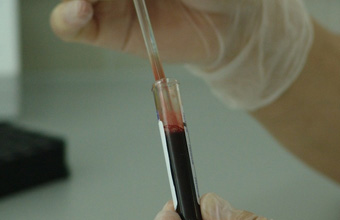
Estudo sobre prevalência da COVID-19 ar… | 2020
Testes serológicos serão feitos, sem custos para os voluntários, até 7 de outubro, em 314 postos de…
Read more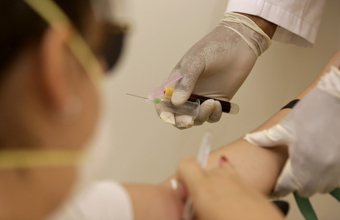
Quer saber se já foi infetado com COVID… | 2020
Instituto de Medicina Molecular João Lobo Antunes precisa de 12 mil voluntários para fazer aquela q…
Read more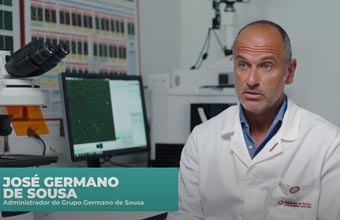
Painel Serologico Nacional COVID-19 | 2020
Primeiro Painel Serológico Nacional COVID-19 com testes gratuitos para 12 mil voluntários. Os teste…
Read more
Precisa de fazer teste à COVID-19 antes… | 2020
Para quem pensa em marcar uma viagem, o teste torna-se tão essencial como um visto ou passaporte, e…
Read more
Autocarro elétrico Covid-BUS vai testar… | 2020
No esforço para conter a propagação da COVID-19, diversas autoridades trabalham para a obtenção de …
Read more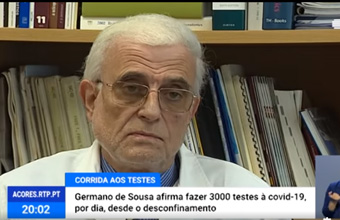
Germano de Sousa diz que a República de… | 2020
Germano de Sousa elogiou a decisão do Governo Regional dos Açores e diz que o Governo da República …
Read more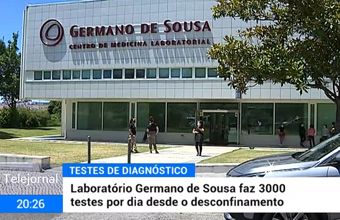
Corrida em Lisboa a análises de rastrei… | 2020
Nas últimas duas semanas, o laboratório de análises de Germano de Sousa tem assistido a uma corrida…
Read more
Teste serológico na pesquisa de anticor… | 2020
Os testes serológicos de pesquisa de anticorpos contra o SARS-CoV-2, que causa a doença COVID-19, s…
Read more
COVID-19: Teste serológico rápido ou la… | 2020
Os testes de pesquisa aos anticorpos contra o coronavírus SARS-CoV-2, causador da COVID-19, são alv…
Read more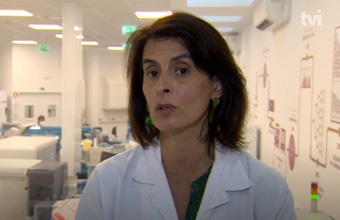
Emissão TVI24 Notícias Reportagem: Inst… | 2020
A ideia é compreender qual o grau de imunidade da população e qual o risco real que existe na retom…
Read more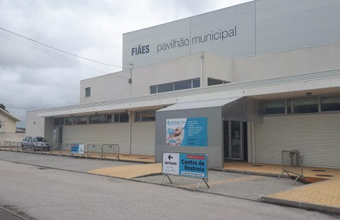
Feira: Novo Centro de Testes à COVID-19… | 2020
Está já em funcionamento, desde o dia 30 de abril, no Pavilhão Municipal de Fiães, cedido pela Câma…
Read more
Especialistas estudam relação entre sev… | 2020
Uma equipa do CINTESIS - Centro de Investigação em Tecnologias e Serviços de Saúde e da NOVA Medica…
Read more
COVID-19: Especialistas estudam relação… | 2020
Uma equipa do CINTESIS - Centro de Investigação em Tecnologias e Serviços de Saúde e da NOVA Medica…
Read more
COVID-19: Oeste desce para 80 casos pos… | 2020
Nas últimas 24 horas, depois de uma estabilização, voltou a descer o número de doentes activos na r…
Read more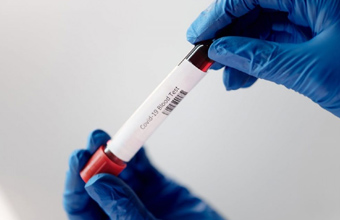
COVID-19: Caldas da Rainha aumenta capa… | 2020
O novo centro de testes “vai permitir obter resultados entre 48 a 72 horas após a realização”...
Read more
COVID-19: Novo centro nas Caldas da Rai… | 2020
O segundo centro de testes COVID-19 abriu hoje nas Caldas da Rainha, no distrito de Leiria, numa pa…
Read more
Dados da DGS e inteligência artificial … | 2020
O ministro da Ciência, Tecnologia e Ensino Superior disse hoje que a Direção-Geral da Saúde (DGS) e…
Read more
COVID-19: Dados da DGS e inteligência a… | 2020
O ministro da Ciência, Tecnologia e Ensino Superior disse hoje que a Direção-Geral da Saúde (DGS) e…
Read more
Ministros visitam laboratório privado d… | 2020
Logo a seguir à reunião do Conselho de Ministros, os responsáveis pelas pastas do Trabalho, Ciência…
Read more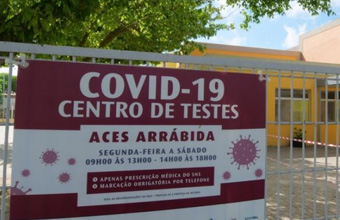
Centro de testes COVID-19 abriu hoje na… | 2020
O novo centro de testes à infeção pelo coronavírus COVID-19 do concelho de Setúbal instalado na EB …
Read more
Germano de Sousa: "Zaragatoas custavam … | 2020
Germano de Sousa, dono de uma das maiores redes de laboratórios privados, diz que os preços dispara…
Read more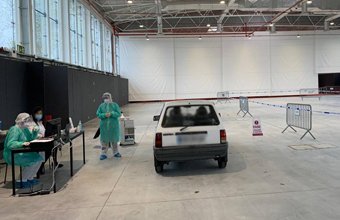
Já abriu o centro de rastreio à COVID-1… | 2020
Entrou em funcionamento o Centro de Rastreio da COVID-19, no Pavilhão de Feiras e Exposições da Exp…
Read more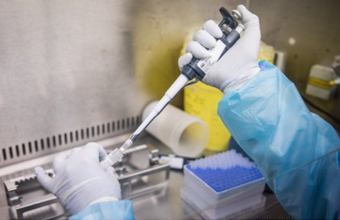
Escola dos Arcos, em Setúbal, reforça r… | 2020
A Escola do 1º Ciclo dos Arcos, na cidade de Setúbal, passa, a partir da próxima semana, a ser o no…
Read more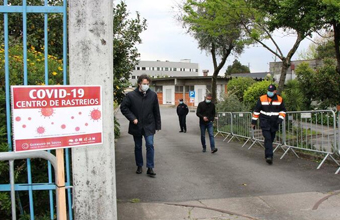
Pronto há uma semana, centro de rastrei… | 2020
Com 184 casos confirmados de Covid-19, Valongo é dos concelhos com maior incidência da doença...
Read more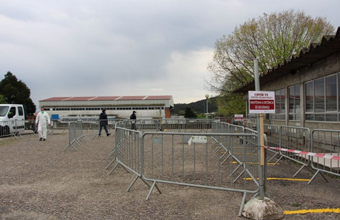
Valongo tem novo centro de rastreio à C… | 2020
O centro abriu na manhã desta segunda-feira, na Escola Básica Vallis Longus de Valongo. Os atendime…
Read more
O coronavírus de Wuhan: as explicações … | 2020
Identificados nos anos 60, várias estirpes de coronavírus estão na origem de infeções várias em ani…
Read more