





Morphological Examination of Peripheral Blood
Complete blood count (CBC) data and morphological examination of peripheral blood play a crucial role in the diagnosis of many hematologic disorders.
In clinical practice, morphological examination of peripheral blood allows for the establishment of a suspected or definitive diagnosis in most blood disorders.
In some cases, it provides strong evidence for a specific diagnosis that can be confirmed by other tests. In other situations, it suggests a differential diagnosis and guides the diagnostic process.
The peripheral blood smear has the great advantage of allowing for a rapid provisional diagnosis, which is important when treatment is urgent.
A proper evaluation of peripheral blood can prevent a large number of errors and many unnecessary diagnostic tests.
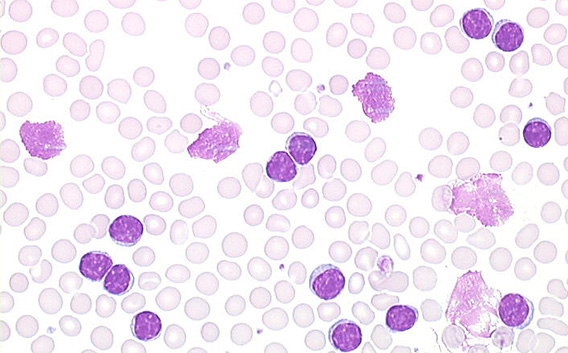
Chronic lymphocytic leukemia B
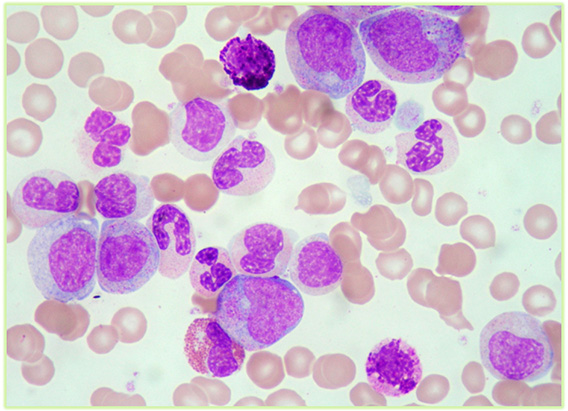
BCR-ABL1+ chronic myeloid leukemia
Morphological examination of bone marrow
Morphological examination of bone marrow
Morphological examination of bone marrow is essential for the diagnosis of diseases originating in or involving the bone marrow.
A comprehensive diagnosis of bone marrow diseases (including myeloproliferative neoplasms, myelodysplastic syndromes, myelodysplastic/myeloproliferative neoplasms, mature lymphoid cell neoplasms, and acute leukemias) often requires the integration of various diagnostic approaches. These include peripheral blood cell counts (complete blood count), morphological examination of peripheral blood and bone marrow, along with other relevant tests, such as immunophenotypic studies by flow cytometry and cytogenetic and/or molecular genetic studies.
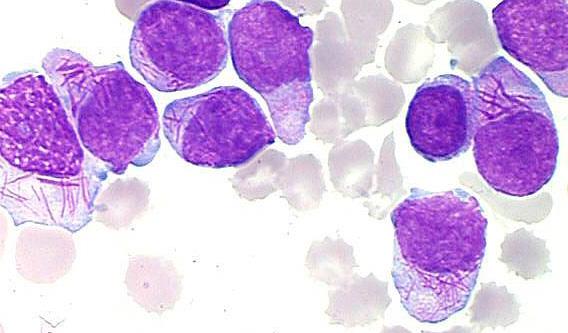
Acute promyelocytic leukemia
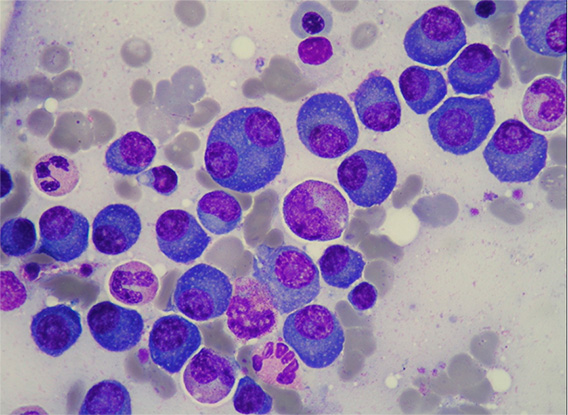
Multiple myeloma
If you have any questions, please contact us.
We'll be happy to help.
CLINICAL PATHOLOGY LABORATORY

Related articles:

Hematology-Oncology
The diagnostic approach in hematological oncology (the study of hematologic neoplasms) should be based on the World Health Organization’s (WHO 2008, revised in 2016) classification of tumors of the h…
Read more