





Huntington's disease is a rare, hereditary neurodegenerative disorder of the central nervous system caused by an autosomal dominant mutation in the gene that encodes a protein called huntingtin. This protein is present in all cells, with the highest concentration in brain tissue and lower concentrations in the liver, heart, and lungs. The mutation produces an altered form of the protein, leading to dysfunction and death of nerve cells in certain areas of the brain.
The disease develops gradually, has no cure, and symptoms can vary in severity, age of onset, and rate of progression from patient to patient. It is essentially characterized by a combination of motor, emotional, and cognitive changes:
- Motor: chorea (involuntary movements of the arms and legs), bradykinesia (slowness of voluntary movements), and dystonia (prolonged muscle contraction), affecting posture, balance, and mobility;
- Emotional: depression, anxiety, irritability, and obsessive-compulsive behaviors;
- Cognitive: slowed thinking, difficulty concentrating, short-term memory problems, and reduced ability to process new information and perform tasks.
Neurodegenerative diseases are highly debilitating and result from the progressive degradation of the cells responsible for nervous system functions, affecting brain function and leading to dementia. They constitute one of the most significant medical challenges today, which is why genetic counseling is essential. Genetic counseling is a process through which patients concerned about the occurrence or potential occurrence of a genetic disease in their family are informed about the probability or risk of developing that disease or passing it on, as well as the available preventive measures.
Clinical Laboratory Medicine, as a medical specialty that aims to assist physicians from various specialties in the clinical diagnosis of diseases based on laboratory analyses and tests, plays a fundamental role in the field of Genetic Counseling. The results obtained through laboratory testing provide crucial information to the attending physician, facilitating their decision-making regarding the condition and enabling the patient to make a more informed decision.
If you have any questions, please contact us.
We'll be happy to help.
CLINICAL PATHOLOGY LABORATORY

Related news:
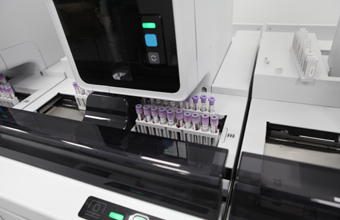
Teste genético: como se deteta a doença… | 2017
A Doença de Huntington é hereditária. No conjunto de genes herdados, caso um dos pais seja portador…
Read more